How Do You Brief an Overseas Factory So the Quote Comes Back Right?
A brief that travels carries twelve fields: dimensions with tolerances, materials named by specification, colour with a lab-dip route, construction and stitch class, hardware by brand and size, vector artwork with placement, labelling, packing, quantity per colourway, a cost envelope, a dated reason and the inspection standard.
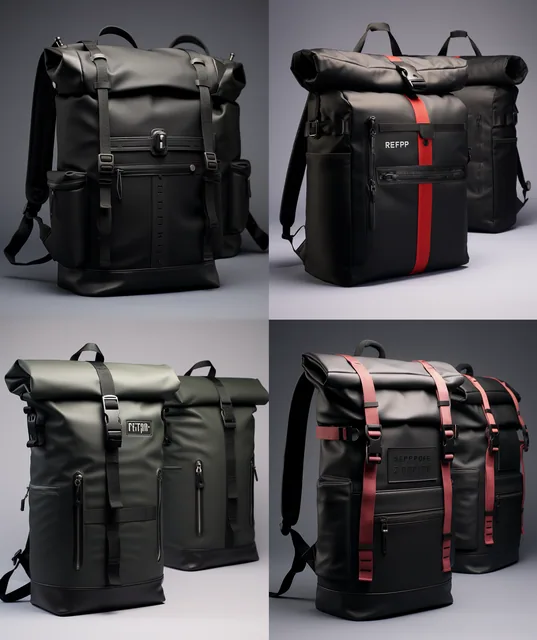
A brief that travels has twelve fields: dimensions with tolerances, materials named by specification, colour standards with a lab-dip route, construction and stitch class, hardware by brand and size, artwork in vector with placement, labelling and compliance for the market, packing and carton specification, quantity per colourway, the cost envelope, the date with its reason, and the inspection standard. A brief missing four of those produces a number, not a quotation.
Most briefs fail in the same way: they describe the bag the buyer can see rather than the bag the buyer wants made. Dimensions are given without tolerances, materials are given by feel rather than by specification, artwork arrives as a screenshot, and the quantity is given as a total rather than per colourway. Each of those is answerable, and each is answered by assumption, and the assumptions are where the quotation comes from.
The second reason briefs fail is that they arrive in pieces. A paragraph on Monday, a drawing on Wednesday, a revised logo on Friday, and a quantity change the following week. Nobody consolidates them, so the receiving side quotes against whatever the last message said, and the buyer approves against a mental composite that no one else has. One document, at one revision, is worth more than a week of fast replies.
This piece sets out the twelve fields, why each one is there, and what a weak version of each says. It is written for a buyer briefing a production base in a country the buyer does not work in, through a language that is not the buyer first language and not the recipient first language either, which is the normal condition rather than the difficult one.
Why Do Dimensions Need Tolerances?
Because a dimension without a tolerance is a preference. A production team will make to a nominal figure and will hold whatever tolerance it normally holds, which may be tighter than the buyer needs — and therefore more expensive — or looser than the buyer needs, which is worse. State the critical dimensions and the tolerance on each, and state separately that non-critical dimensions are indicative, so the effort goes where it matters.
| Field | A complete brief says | A weak brief says |
|---|---|---|
| Dimensions | Stated with a tolerance on the critical ones | "About 30 cm wide" |
| Materials | Fabric by construction and weight, hardware by brand | "Good quality polyester" |
| Colour | A standard reference plus a lab-dip route | "The colour in the photo" |
| Construction | Seam method and stitch class named | "Strong stitching" |
| Hardware | Brand, type, size, finish and colour | "A good zipper" |
| Artwork | Vector file, placement, method, colour count | A screenshot of a logo |
| Quantity | Per style and per colourway | "A few thousand" |
| Date | A date with the reason behind it | "As soon as possible" |
How Should Materials Be Named?
By specification, not by feel. A fabric is named by its construction, its weight in grams per square metre or its denier, its coating and its finish; a foam by its material, thickness and density; a webbing by its width, material and breaking strength; a zipper by its brand, type, gauge and finish. Each of those can be quoted and each can be substituted knowingly, which is the point: a named material can be discussed, and a described feeling cannot.
Where the buyer does not know the specification, say so and ask for a recommendation against the requirement. "A fabric that survives this abrasion level and this wash regime" is a brief a technical team can answer, and the answer becomes the specification for the next run. Buyers who pretend to know a specification they do not know end up approving whatever was chosen for them.
How Is Colour Communicated Across Distance?
With a standard reference plus a physical approval route. A Pantone or equivalent reference gets the conversation started; a lab dip or a bulk-dip approval closes it. Screens differ, printers differ and lighting differs, so a colour approved on a screen is not a colour approved, and the first production lot will be the first time anyone sees it under the same conditions.
The second half of the colour question is the standard itself: a tolerance in Delta E, a lighting condition and an observer, and a retained approved swatch held on both sides. Reorders are where colour drifts, and a retained physical swatch is the only control that survives a dye lot change. The reorder colour consistency and dye lots note covers what happens when it is not held.
What Does the Hardware Line Have to Say?
- 1. Dimensions
- Critical dimensions with a tolerance, non-critical marked indicative
- 2. Materials
- Fabric, lining, foam, webbing and trim by specification
- 3. Colour
- A standard reference, a dip route, a tolerance and a retained swatch
- 4. Construction
- Seam method, stitch class, reinforcement and bar-tacks
- 5. Hardware
- Brand, type, size, finish and colour for every fitting
- 6. Artwork
- Vector file, placement, method, size and colour count
- 7. Labelling
- Content, language, placement and the compliance items
- 8. Packing
- Pack-out, carton specification, marking and weights
- 9. Quantity
- Per style and per colourway, with the reorder intent
- 10. Cost envelope
- The range the programme has to land inside
- 11. Date
- The date and the reason the date matters
- 12. Inspection
- Standard, level, AQL, and the critical class
The cost envelope in field ten is the one buyers omit, and it is the one that saves the most time. A brief that says what the programme has to land inside gets a quotation built to that; a brief that does not gets a quotation built to whatever the receiver thinks is being asked for, and two weeks of redesign after the price arrives.
How Should Artwork Be Supplied?
In vector, with the placement marked on the drawing, the method named, the size stated and the colour count given. A raster image can be traced, and tracing is where a logo goes wrong: a curve that was meant to be smooth comes back faceted, and a thin stroke disappears at the size the bag actually needs. Vector artwork removes that class of problem entirely and it is usually already available from whoever designed the mark.
The placement is the second half. "Logo on the front" is three different bags to three different readers. Mark the position on the drawing with a dimension from a defined edge, state the size, and state whether it is centred on the panel or on the bag. That is one line of work at brief stage and it removes an entire round of sampling.
What Should the Brief Say About Packing?
How many per carton, how they are packed, what the carton is made of, what it weighs, how it is marked and how it is sealed. Packing is usually decided late and it changes three things that matter: the cube and therefore the freight cost, the protection the goods get in transit, and the work the receiving warehouse has to do. Decide it in the brief and the quotation is complete.
The ecommerce version of this is worth naming separately, because the receiving end has rules. A marketplace fulfilment centre will specify carton weights, label placement and pack-out, and a carton that arrives outside those rules is handled at the buyer cost and at the buyer delay. The the 12-component tech pack template note covers the template view of the same fields.
How Is the Brief Actually Read on the Other Side?
Five habits that make a brief survive translation
- One meaning per sentence, and no idiom anywhere in the document.
- Numbers for everything that can be a number, including tolerances.
- A drawing beside the words, because a drawing does not need translating.
- One document at one revision number rather than a thread of messages.
- An explicit question list at the end, numbered, so answers come back in order.
A sixth habit applies specifically where the brief crosses a language boundary: write the numbers in numerals and the units in full, every time. Numerals and units survive translation intact; written-out numbers and abbreviated units do not, and a misread unit is the most expensive kind of misreading because it is usually consistent all the way through to bulk.
The numbered question list is the highest-return habit on that list. A brief that ends with eight numbered questions gets eight numbered answers, and the buyer can see immediately which were not answered. A brief that ends with "let me know if you have questions" gets silence, and the unanswered questions surface as a sample that is wrong in a way nobody can trace.
What Happens After the Brief Goes Out?
| Response | What it means | What to do |
|---|---|---|
| A quotation with questions attached | The brief was read | Answer the questions in order, in writing |
| A quotation with no questions | Either the brief was complete or it was assumed | Ask which assumptions were made |
| A very fast quotation | Frequently a number against a different article | Re-quote against the signed-off tech pack |
| A request for a physical reference | The construction is unfamiliar | Send one, or approve a counter-sample |
| Silence | The brief is unclear or the fit is poor | Re-send as one document at a revision number |
How Should Samples and Approvals Be Handled?
One round trip, batched, with a date on it. The sample arrives, everyone who has an opinion sees it in the same session, the comments are written down in one list, and the list goes back with a revision number attached. What costs a sampling window is not the number of comments; it is the number of round trips. Three comments sent together cost one cycle and the same three comments sent on three days cost three.
The second discipline is to say what the sample is being judged on. A sample is not a prototype of the idea; it is a proof of the specification. Where a buyer judges a sample against the specification, the approval is quick and the bulk matches. Where a buyer judges it against an aspiration that was never written down, the sample is rejected for reasons nobody can action, and the next one is rejected for the same reason.
What Do Buyers Get Wrong About the Cost Envelope?
Two things. They omit it, on the theory that asking for the best price gets the best price, and they treat it as a negotiation position rather than as a design input. Both produce the same outcome: a quotation built against a guess, followed by a round of redesign to reach a number that could have been stated in the first email.
The useful form is a range with the reason. "This programme has to land between X and Y because the retail price is fixed" is a design input a technical team can work to: it points at constructions, materials and hardware that fit, and away from ones that do not. A brief that carries that information gets a quotation that can be accepted rather than one that has to be reworked.
How Does the Brief Connect to Sampling?
The brief becomes the tech pack, the tech pack gets a revision number, and the sampling window of 6-10 working days starts from its sign-off. Everything after that refers to the revision. A buyer who keeps the brief as a separate, informal document and treats the tech pack as something else will eventually approve one and be quoted against the other.
The counter-sample is the closing mechanism. Where the receiver proposes a material or a construction change, ask for a counter-sample that shows it, and approve or decline in writing against the reference. That is the moment the specification is genuinely agreed, and it is worth a few days of calendar because it is the only point at which a change is still free.
There is one habit that separates briefs which work from briefs which do not, and it is not technical: send the document once, complete, rather than in pieces as it is finished. A brief that arrives in six messages over a week forces the receiver to reconstruct it, and the reconstruction always resolves an ambiguity in the direction that suits the reconstruction. One document at one revision number removes that step entirely, and it takes less time to assemble than the six messages do.
What Does a Good Brief Cost and Save?
A day of work at the start, and it saves the two things that actually cost money: a second sampling cycle and a specification argument after bulk has started. The RFQ or tech pack first note covers the sequence question, and the tech pack errors that delay sampling note covers the errors that most often put a sampling window back to the start.
The second saving is the one buyers notice a year later: a brief that was written once, properly, becomes the specification for the reorder, and the questions that cost a week the first time are answered in a line the second time. The second run starts from a document rather than from a conversation, and the calendar shortens by everything that would have been spent remembering what was agreed.
Send one document at a revision number
Send the brief in the twelve fields, or send what you have and the gaps get filled. You get a quotation, a sampling window and a production calendar within one business day.
Frequently Asked Questions
What should a bag brief contain?
Twelve fields: dimensions with tolerances, materials by specification, colour with a dip route, construction, hardware, vector artwork, labelling, packing, quantity per colourway, cost envelope, date and inspection standard.
Why do dimensions need tolerances?
Because a dimension without one is a preference. State the critical dimensions and their tolerance and mark the rest indicative, so the effort goes where it matters.
How should I specify fabric?
By construction, weight or denier, coating and finish. A named specification can be quoted and substituted knowingly; a description of how it feels cannot.
How do I communicate colour across distance?
With a standard reference, a physical lab dip, a stated tolerance and a retained approved swatch on both sides. A colour approved on a screen is not approved.
Should artwork be vector?
Yes. A raster logo has to be traced, and tracing is where curves go faceted and thin strokes disappear at the size the bag needs.
How should the logo placement be given?
Marked on the drawing with a dimension from a defined edge, with the size stated and whether it is centred on the panel or on the bag.
What does the packing line need to say?
Units per carton, how they are packed, the carton specification, its weight, its marking and how it is sealed. Packing changes cube, protection and warehouse handling.
Should I include a cost envelope?
Yes. It gets a quotation built to the number the programme has to land inside rather than to a guessed target followed by two weeks of redesign.
What if the factory asks no questions?
Ask which assumptions were made. Silence usually means the brief was complete or it was assumed, and the two are very different.
What is a counter-sample?
A sample showing a proposed material or construction change. Approve or decline it in writing against the reference; that is the moment the specification is genuinely agreed.
How long is the sampling window?
6-10 working days from a signed-off tech pack, 12-15 for a complex build with a sourced component or a dyed-to-order colour.
How should I handle sample comments?
Batch them into one round trip with a date on it. Three comments sent together cost one cycle; the same three sent on three days cost three cycles.
Does a good brief help the reorder?
Yes, and that is its largest saving: the second run starts from a document rather than from a conversation, and the calendar shortens by everything that would have been spent remembering what was agreed.
Should I send the brief in pieces or as one document?
As one document at one revision number. A brief sent in six messages forces the receiver to reconstruct it, and the reconstruction resolves every ambiguity in its own favour.
People Also Ask
What should I send a factory to get a quotation?
One document at a revision number covering dimensions with tolerances, materials, colour, construction, hardware, artwork, labelling, packing, quantity, cost envelope, date and inspection.
Why does my sample come back wrong?
Usually because the brief described the bag in words rather than in numbers, or because an unanswered question was resolved by assumption.
Should I send an RFQ or a tech pack first?
A tech pack where one exists, because it produces a quotation rather than an estimate. An RFQ first only where the specification genuinely does not exist yet.
How do I stop colour drifting on a reorder?
Retain an approved physical swatch on both sides, state a tolerance and a lighting condition, and require a dip for each new dye lot.
What is the MOQ when I brief a new base?
500 pcs per style and colourway, with repeat programmes open to discussion at 300 pcs.
Sources and further reading
Every figure on this page is either our own programme data or attributed below. Open the originals before you write them into a specification.
- ISO 2859-1:1999 — sampling procedures for inspection by attributesInternational Organization for Standardization
- ICC — Incoterms 2020 rules for sale of goodsInternational Chamber of Commerce
- ISTA — packaged-product performance test proceduresInternational Safe Transit Association