What Certifications Do Bags Need for the EU Market?
There is no European Union certificate that a bag passes. What exists is a set of obligations that attach by what the bag actually is: an article under chemicals law, and possibly a food-contact material, a toy, or electrical equipment. This page maps the regimes and shows which one your construction falls into.
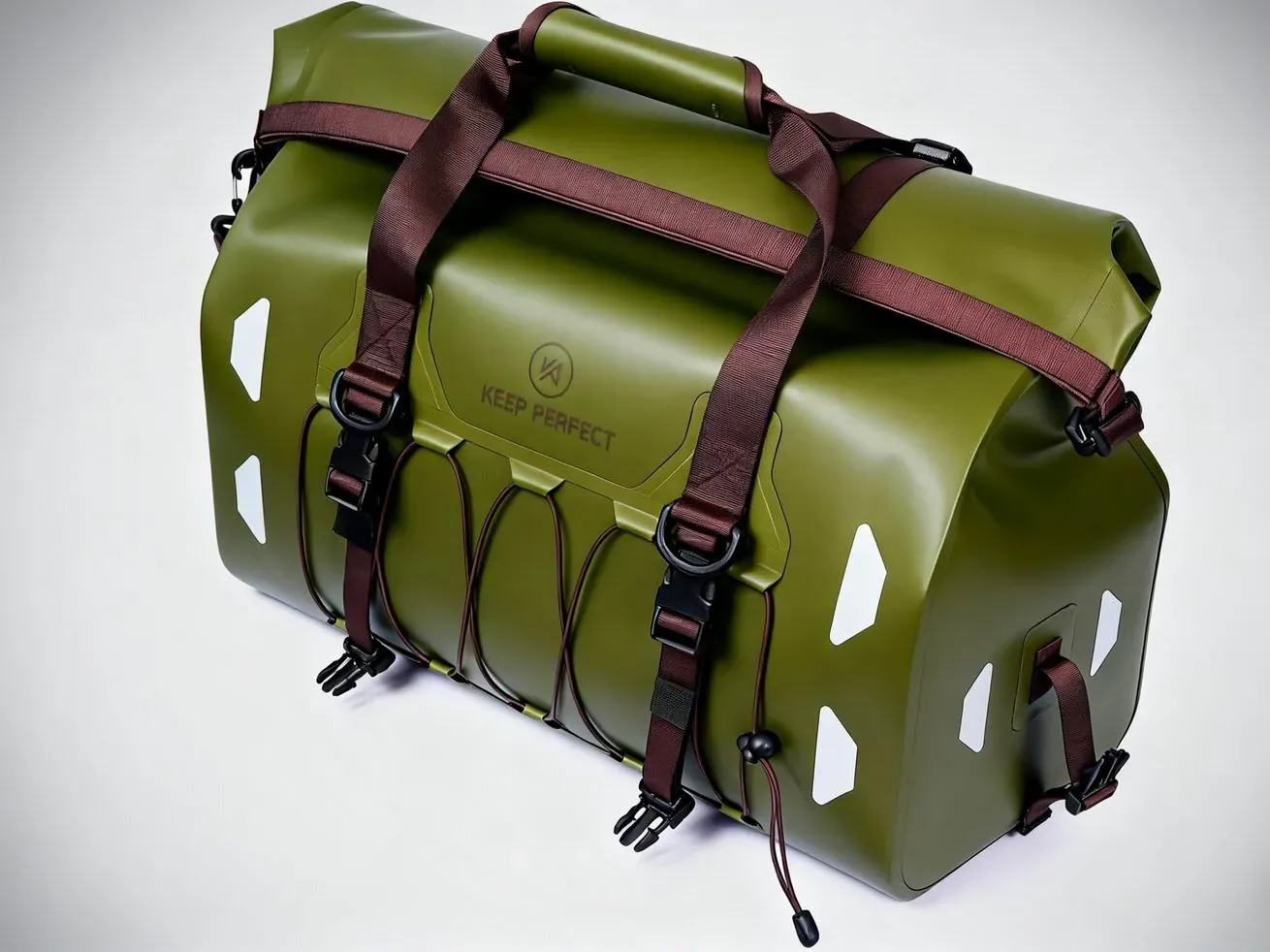
A bag imported into the European Union needs a file rather than a certificate. Chemicals law applies to it as an article. Food-contact rules apply if a layer is intended to touch food. Toy safety rules apply if it is also a toy. Electrical and electronic rules apply if it contains electrics. Certification schemes such as recycled content and substance testing sit on top of that floor. Limits, lists and thresholds change when a regulation is amended. Confirm every figure against the current official text before you rely on it, and ask your importer of record to confirm the version that applies in the destination market. MOQ 500 pcs, bulk 35-50 days.
Is There a Single European Union Certificate for a Bag?
No. This is the most useful single fact in the file, because it stops a procurement team spending weeks looking for a document that does not exist. The European Union regulates by category and by risk, not by issuing product certificates to bag styles. What a bag programme produces instead is a set of evidence items, each answering a different obligation, held together by a bill of materials.
The practical consequence is that the work starts with classification rather than with testing. Before any laboratory is commissioned, somebody has to decide what this article is: a general article, a food-contact material, a toy, or a piece of electrical equipment. That decision sets the whole test scope, and getting it wrong produces a file that answers the wrong question at real cost.
What Does Chemicals Law Require of a Bag?
Chemicals law applies to the bag as an article, and the duties attach to the importer that places it on the market. In outline: restricted substances must not be present above the limits set for the use, substances subject to authorisation must not be used without one, and a substance on the candidate list present above the threshold in the article carries a communication duty. The evidence is a set of laboratory reports and supplier declarations tied to a component list.
The recurring failure is asking a production partner for a certificate. There is none to give. What can be given is a component list, declarations naming substances, and reports from an accredited laboratory on the components that carry chemistry. Those three, held together with a note of the list version checked, are what the importer needs to hold.
| Regime | When it applies to a bag | What it asks for | Evidence | Who carries it |
|---|---|---|---|---|
| Chemicals regulation (REACH) | Always, because a bag is an article | Restriction compliance, authorisation where relevant, candidate-list communication | Component list, declarations, laboratory reports | The importer placing the article on the market |
| Food-contact framework regulation | When a layer is intended to come into contact with food | Materials that do not transfer constituents in quantities that endanger health | Declaration per layer, migration testing where the layer is plastic | The operator placing the material on the market |
| Toy safety directive | When the article is designed or intended for play | Safety requirements including chemical migration limits | Testing to the toy safety standards, technical file, conformity marking | The maker or importer |
| Electrical and electronic rules | When the bag contains electrics | Substance and design requirements for electrical equipment | Conformity assessment, technical documentation, marking | The maker or importer |
| Packaging and waste rules | The packaging the bag is shipped in | Substance limits and recovery obligations for packaging | Declaration from the packaging maker | The party placing packaging on the market |
When Does Food-Contact Law Apply to a Bag?
When a layer of it is intended to come into contact with food. An insulated lunch bag with a welded liner is the obvious case, and a cooler bag used for food transport is the second. The framework regulation sets the general principle that materials must not transfer constituents to food in quantities that could endanger health or change its composition, and specific measures exist for certain material groups, including plastic.
The important structural point is that food contact attaches per material layer, not per product. A lunch bag has a liner, a foam, an outer cloth, a zipper and a print, and the obligation attaches to the layer intended to touch food. The correct evidence is therefore a declaration per layer plus migration testing on the layer that is plastic, rather than one certificate for the bag. Confirm the current requirements against the official text, and confirm with your importer which measures apply to the polymer in your liner.
Ask for a declaration for every layer and migration testing on the plastic one. A single food-grade statement covering an assembly is not the structure the regulation uses.
When Does Toy Safety Law Apply?
When the article is designed or intended, whether or not exclusively, for use in play by children below the age set in the directive. This is a different test from the United States children's product determination, and it is worth treating as its own question rather than assuming the same answer. A bag shaped and marketed as a plaything, or one sold with a toy, is the case that matters.
Where it applies, the obligations are substantially heavier: safety requirements covering physical and chemical properties, chemical migration limits, a technical file, a conformity assessment, and marking. That is a different programme from a general article, and it should be recognised early because it changes the test scope and the documentation burden rather than adding one document.
Do Bags Need CE Marking?
An ordinary bag does not fall inside a CE-marking directive, so there is no conformity marking to apply. Where a bag incorporates a regulated function — electrics, personal protective equipment, or a toy function — the regime that governs that function applies and brings its own conformity assessment and marking with it. The question is always about the function, never about the word bag.
This is worth stating plainly in the file, because some buyers ask for a CE declaration on ordinary soft goods out of habit. The honest answer is that there is nothing to declare, and the useful follow-up is a written classification of the product with the reasoning, which is what a reviewer actually needs. Where a mark is applied without a regime behind it, that is a problem rather than a qualification.
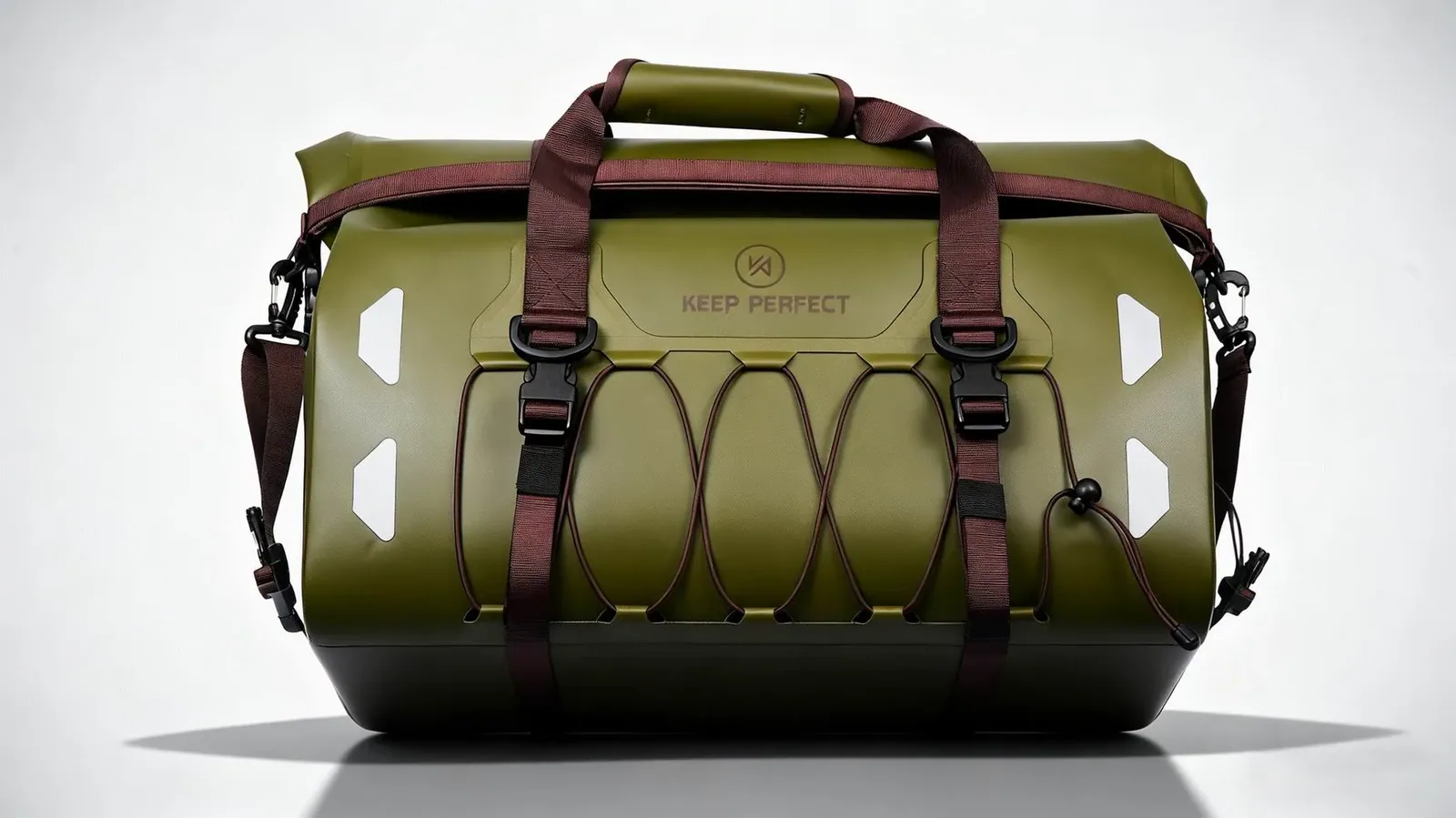
What Do Retailers Ask For Beyond the Legal Floor?
More, and with more structure. A European Union retailer onboarding process typically asks for chemical evidence against its own restricted-substances list, a social audit at the named production site, and any claim-specific certificates the product carries. Those sit on top of the legal floor rather than inside it, and they are contractual rather than statutory.
The overlap is where programmes save money. One screening exercise, scoped against the union of the legal requirements and the retailer list, produces results that can be read against both. What cannot be shared is the social audit, because it is site-specific and dated, and the claim certificates, because they are transaction-specific. Plan the file as three independent parts rather than one.
Five parts of a European Union bag file
- Classification note: what the article is, and the reasoning.
- Chemical evidence: component list, declarations, laboratory reports.
- Functional evidence: food contact, toy safety or electrical, as classified.
- Claim evidence: recycled content or substance certification, where claimed.
- Site evidence: a current social audit at the named production site.
How Does the Requirement Vary Between Member States?
The regulation is European Union-wide, so the legal floor is the same in principle. What varies is enforcement intensity, national provisions in areas the directives permit, and language requirements for labelling and instructions. A file that is defensible in one member state is broadly defensible in another; the differences show up in market surveillance practice and in what national authorities ask for when they ask.
Language is the practical one. Labelling, warnings and instructions generally have to be in a language the user understands, which is set by national rules. Build the label set per destination market at the specification stage, because adding a language after production is a re-labelling exercise rather than an artwork change.
The efficient way to handle it is a label matrix: one row per destination, one column per label, with the required languages and the required content marked. That matrix goes onto the tech pack alongside the artwork, so the label set is bought once and correctly rather than corrected per market after the goods are made. It is a small document and it removes a recurring class of re-work.
What Should the Importer Hold Before the Goods Land?
A file indexed by purchase order containing the classification note, the bill of materials, the chemical reports and declarations, the functional evidence where a special regime applies, the claim certificates, and the social audit. Each item should carry a date and a version, and each should be tied to the article rather than to a company.
| File item | Tied to | Typical failure | How to prevent it |
|---|---|---|---|
| Classification note | The style | No written classification exists | Write it at specification stage and sign it |
| Bill of materials | The construction | Lists fabrics but not trims and hardware | Require a full component list with sources |
| Chemical reports | The component and lot | Report on a different construction | Test the production lot, or a sample drawn from it |
| Functional evidence | The classified function | Special regime not identified | Run the classification before scoping any test |
| Claim certificates | The shipment | Scope certificate offered instead | Name the transaction certificate in the clause |
| Social audit | The named site | Report for a different address | Check the site address and the audit date |
What Does Market Surveillance Actually Ask For?
A national authority carrying out a check on soft goods usually asks a narrow question with a short deadline: identify the responsible economic operator, show what the article is made of, and show the evidence supporting any claim on it. The first two are answered from the file you should already hold. The third is where programmes with a marketing claim and no substantiation come undone.
The response window is the practical constraint, so the file has to be retrievable by product rather than by supplier. A file organised by purchase order, with the classification note, the component list and the reports behind one reference, can be answered in a day. A file held as email attachments across three inboxes cannot, and the difference between those two situations is organisational rather than technical.
How Does Country-of-Origin Marking Fit the File?
Origin is a customs question rather than a product-safety one, but it sits in the same file because the same team answers it. Non-preferential origin for a sewn bag is generally determined by where the last substantial transformation took place, and preferential origin under a trade arrangement depends on the specific rules for the heading and the arrangement. Both are decided by the facts of the supply chain rather than by the address on the invoice.
Marking itself has to survive the journey: a sewn-in label that stays with the product, showing the origin in a form the market accepts. Put the marking on the tech pack with its position, its wording and its attachment method, and confirm the wording with your importer before production rather than after. A marking correction on finished goods is a re-work, and a marking error at entry is a customs problem rather than a labelling one.
Where Does This Leave the Production Programme?
With a small amount of extra calendar time, if it is planned. Chemical screening runs on the production lot and can be started while the goods are being made. Functional evidence, where a special regime applies, has to be built earlier because it affects the design. Claim certificates are raised after the sale and cannot be compressed.
The sequencing is what matters rather than the elapsed time. Put classification at specification, screening during bulk, and certificate application after invoicing, and the whole file is complete before the goods land without anyone having to wait for anything. Get the order wrong and the file becomes the reason a shipment sits in a warehouse.
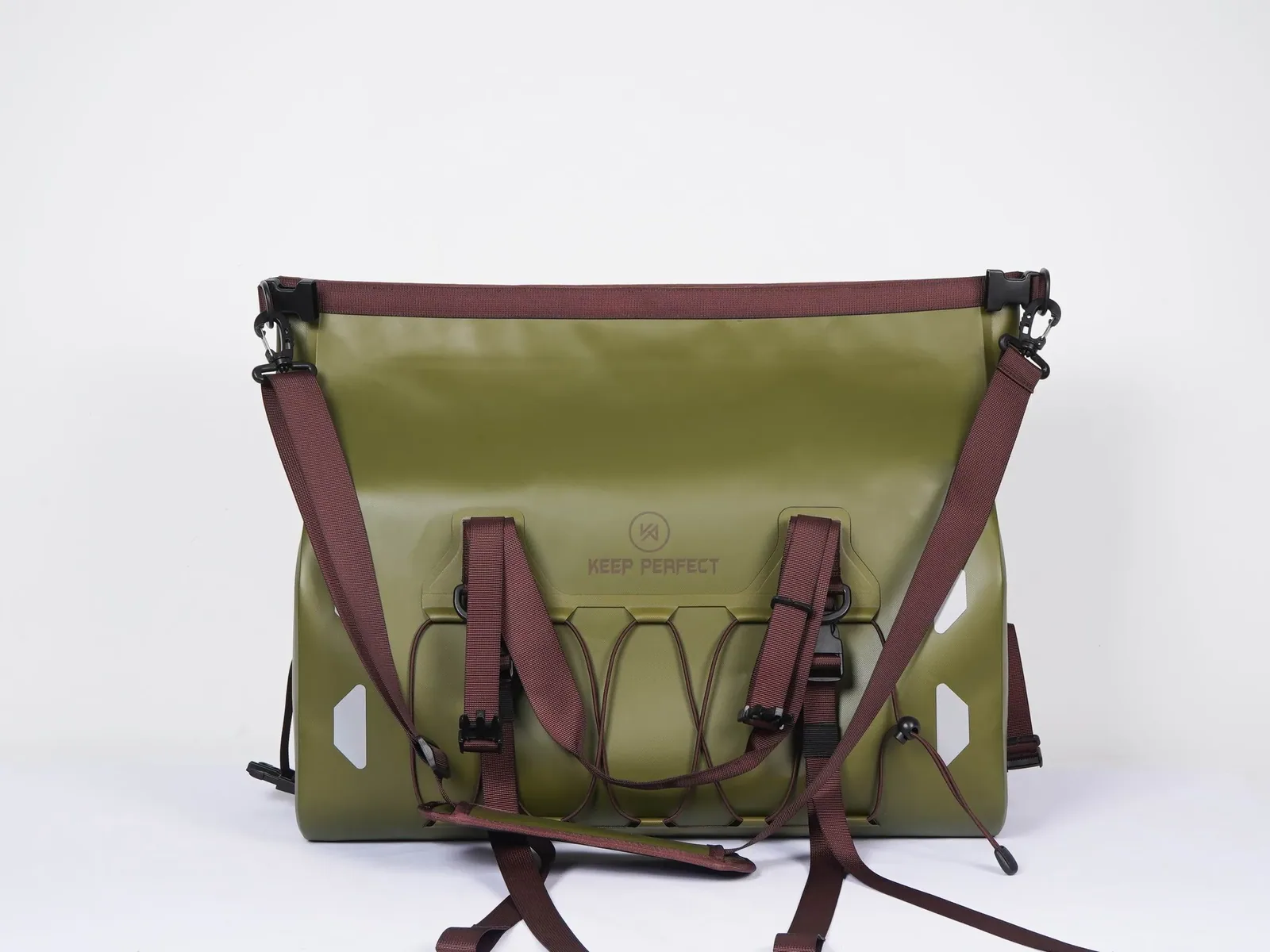
What Should Go Into the Purchase Clause?
Name the destination market, the classified function, and the evidence set. A clause that states the goods are destined for the European Union, that they are classified as a stated article type, that the named evidence must be delivered before the balance payment, and that the supplier must give notice before any component source changes, is enforceable in a way that a general quality clause is not.
Add the change-control and re-test trigger explicitly. Most European Union compliance failures on soft goods are not failures of the original evidence; they are failures to notice that the trim, the coating or the hardware source moved, and the file now describes something that is no longer being made. One sentence, enforced at inspection, prevents nearly all of them.
And name the market rather than the continent. A clause that says the goods are destined for the European Union tells a production team very little about language, national provisions or the retailer involved. A clause that names the member states, the language set for labelling and the retailer whose list applies gives everyone something concrete to build against, and it is the version that produces the right file the first time.
Get the classification settled before the test scope
Send the construction, the destination market and the intended use, and our production team will tell you which regimes the article falls into and what the file has to contain before any testing is commissioned. MOQ 500 pcs, sampling 6-10 working days, bulk 35-50 days from sample approval, FOB Xiamen.
Frequently Asked Questions
Is there one certificate that covers bags for the European Union?
No. The European Union regulates by category and risk. A bag programme produces a file of evidence answering several separate obligations, not a single product certificate.
Who is responsible for compliance on goods imported into the European Union?
The importer that places the article on the market. Where you have a European Union establishment, that entity carries it; otherwise your importer of record does.
Does a bag need CE marking?
An ordinary bag does not fall inside a CE-marking directive. Where a bag contains electrics, a protective function or a toy function, the regime governing that function applies and brings its own conformity assessment and marking.
When do food-contact rules apply to a bag?
When a layer of it is intended to come into contact with food. The obligation attaches per material layer, so a liner is in scope while the outer cloth normally is not.
When is a bag a toy in the European Union?
When it is designed or intended for use in play by children below the age set in the toy safety directive. It is a separate determination from the United States children's product rules.
What evidence does chemicals law need?
A component list, supplier declarations naming substances, and laboratory reports from an accredited laboratory on the components that carry chemistry, plus a note of the list version checked.
Do retailer requirements replace the legal duties?
No. They sit on top of them. A brand restricted-substances list is a contract requirement that often goes wider than the law, and it does not discharge the importer's statutory duty.
Do requirements differ between member states?
The legal floor is European Union-wide, but enforcement intensity, permitted national provisions and language requirements differ. Build the label set per destination market.
Can one screening exercise serve several requirements?
Yes, where substances and methods overlap. Scope the screen against the union of the legal and retailer requirements, then read the results against each separately.
How should the file be organised?
Indexed by purchase order, with each item tied to the article or the lot rather than to a company, and each carrying a date and a version.
Does a social audit form part of the legal file?
It is normally a contractual rather than statutory requirement, but most retailer onboarding processes ask for it at the named production site with a current date.
What is the most common failure on European Union soft goods?
A component source change with no re-test. The original evidence was correct and the file quietly became stale because nobody required notice of the change.
People Also Ask
What certifications do bags need for the EU?
No single certificate. A file covering chemicals, any special function such as food contact or toy safety, any claim made, and the production site.
Do bags need CE marking in the EU?
An ordinary bag does not. A regulated function inside the bag brings its own conformity assessment.
Who is liable for EU compliance?
The importer that places the article on the European Union market.
Does food-contact law apply to bags?
Yes when a layer is intended to touch food, and it attaches per layer rather than per product.
What is in an EU compliance file?
A classification note, a bill of materials, chemical reports and declarations, functional evidence, claim certificates and a site audit.
Sources and further reading
Every figure on this page is either our own programme data or attributed below. Open the originals before you write them into a specification.