How to Choose an Inspection Company for Bags: SGS, BV, Intertek or TUV
The four large networks inspect to the same plans and issue reports to the same shape, so the brand on the cover decides less than the instruction behind it. What separates them at your factory is the person, the checklist and the turnaround. Judge those, then appoint.
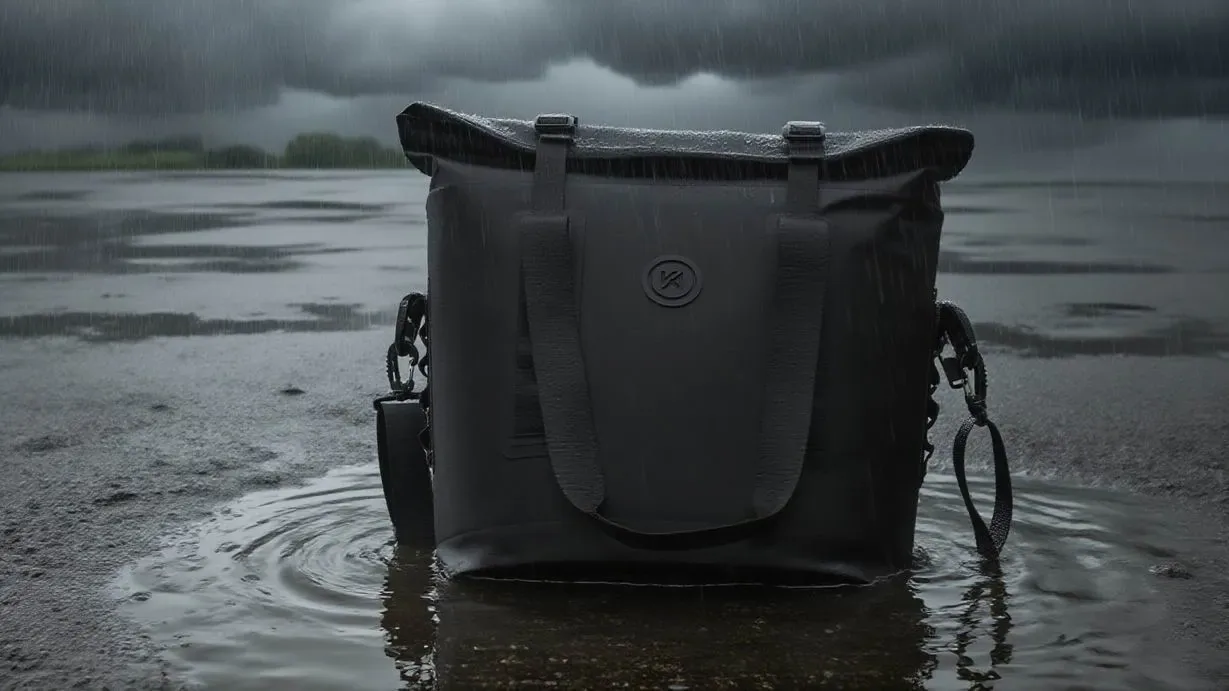
Judge four things: competence in sewn goods, the shape and speed of the report, coverage near the production site, and independence. The name on the quotation matters least of all.
Choosing an inspection company by brand is understandable and mostly ineffective. The international networks recruit from the same pool of inspectors, work to the same sampling tables, and their reports carry the same fields. A brilliant inspector from a small specialist firm and a distracted one from a large network are further apart than the two companies are from each other.
What buyers actually buy is not a judgement of quality — it is a written record that stands up in a dispute three months later, produced by somebody who knows how a bartack fails. Below are the four things that decide whether that record is worth having, followed by the eleven questions to ask before appointing anybody.
What Actually Decides Whether a Company Is Good for Bags?
Three things, in order: what their inspectors have sewn before, whether the report can be read without a phone call, and whether they can be on site on the day you need them. Everything else — account size, online portals, certificates on the wall — is supporting evidence for those three.
The order matters because failure modes compound. A superb reporting system run by somebody who has never handled a bonded seam produces a clean document describing the wrong things. A knowledgeable inspector who writes "workmanship generally acceptable" in place of counts gives you nothing to act on. And either of them, unavailable on the day the goods are packed, is worth nothing at all.
What Do Accreditation Marks Mean Here?
Two different things get confused. ISO/IEC 17025 accreditation applies to laboratories — it says the test results issued by that laboratory are competent and traceable. It says nothing about a visual inspection visit. ISO 9001 certification says an organisation runs a documented quality system, which tells you its processes are repeatable but nothing about the technical judgement of any one visit.
Inspection bodies can also be accredited as inspection bodies under ISO/IEC 17020, which is the standard that actually covers inspection activities, including impartiality and independence. Ask which of the three applies to the work you are buying, and ask for the scope — accreditations cover listed fields, and "textiles and garments" in the scope is what you want rather than a general registration.
Then note the direction these marks point. Accreditation tells you the system is audited. It does not tell you the inspector in your factory that morning can recognise a skipped reinforcement. For that you need evidence of competence, which is a different question.
How Much Does Specialisation in Soft Goods Matter?
More than anything else on this page. A bag is not a hard good: faults are created at a sewing machine, tolerance is fabric behaviour rather than machined dimension, and half the serious findings only appear when the unit is loaded or turned through. An inspector who has spent a career on electronics will write tidy reports about visible marks and miss entirely that the strap attachment has no reinforcement.
Ask what proportion of a company's visits in your region are textile, bag or garment work, and how many of its inspectors are on the soft-goods panel. Then ask what happens if the assigned inspector is unavailable: with a large network the substitution may come from a different technical pool entirely, and that is worth knowing before you book.
Who Writes the Checklist?
You do, or you accept that the visit defaults to somebody else's generic list. Most inspection companies maintain a standard protocol, and it is usually competent for general merchandise and thin precisely where bags are specific — stitch density, seam allowance, hardware cycles, strap reinforcement, lining construction, weld integrity on an insulated body.
The good arrangement is a joint one: supply your checklist derived from the tech pack, let the company map it onto their protocol and report format, and keep one revision history. Usually the buyer pays nothing extra for this, because the company gains a repeat booking. What they will charge for is writing it for you from nothing, and that work is better done by the person who owns the product.
What Does the Report Have to Contain?
Before appointing, ask for two things: a blank report template and one redacted example from comparable work. Then check whether it carries what you need to make a decision without a follow-up call. The short list is below, and it is remarkable how often a well-known name fails these.
| Field | Why it decides your next move | What an inadequate report shows |
|---|---|---|
| Lot quantity, code letter, sample size | Proves the right plan was applied and allows anyone to re-derive it | Sample size stated without a code letter, so nobody can check it |
| Findings by class, with counts | The counts are what the accept pair reads — nothing else can be acted on | "Workmanship acceptable" in place of numbered findings |
| Photographs referenced to each finding | Turns an argument about adjectives into one about pictures | Ten images scattered at the end with nothing tying them to a line item |
| Measured values, not pass marks | Shows proximity to the limit and reveals drift across lots | "Dimension OK" where 11.8 mm against a 12 mm tolerance tells the truth |
| Carton selection and packing data | Explains how representative the sample was and catches short counts | No mention of which cartons were opened |
| Sampling method and any deviation | Tells you whether the plan was followed or adapted on the day | Silence, which usually means something was improvised |
| Issue time and inspector identification | Fixes accountability and the timeline for your response | A report without a named inspector or a timestamp |
How Do You Test an Inspector Before Trusting Them?
Run one controlled visit. Before it, tell nobody; prepare a reference set of six to ten units with known, documented faults spanning the classes — one critical, several majors, several minors — mixed among good units, and agree with the supervisor that the findings will be compared afterwards. This is not entrapment; it is calibration, and every serious inspection company understands the idea.
Score the result on two axes: detection, meaning how many planted faults were found, and classification, meaning whether each was filed into the right class. An inspector who finds everything but classes a sharp burr as minor produces a passing lot with a hazard inside it. Detection without correct classification is the common failure, and only a controlled test reveals it.
What Should You Ask About Coverage Around Quanzhou and Xiamen?
Distance decides availability. A company with an office in Xiamen or Quanzhou can usually put somebody on site with one day's notice and no travel charge; one dispatching from Shenzhen or Shanghai books two days ahead and bills the travel. Over a programme of several visits, that difference is the single biggest practical variable in your inspection calendar.
Ask specifically: which cities does the team covering this factory operate from; what is the realistic notice for a booking during the peak season; is travel billed separately or built into the man-day; and what happens with a same-week request when the primary inspector is already committed. Ask also whether inspection during peak months needs booking further out, which it usually does.
How Do You Compare Quotes Without Comparing Only Day Rates?
Read the quotation for what is included rather than for the headline figure. Ask whether the quoted rate covers one inspector-day or the whole visit, whether travel and waiting time are separate, whether report preparation is inside the fee, what a cancelled or part-complete visit costs when the goods are not ready, and what the charge is for a reinspection after a failed lot. Those five answers change the comparison more than any rate card.
Then compare against what you are protecting. A visit costs a fraction of what either shipping a bad lot or missing a booking window costs, so choosing purely on day rate is rarely the right calculation. Compare on availability and report quality first, then negotiate the rate.
| Model | Strength | Where it falls short | Best used when |
|---|---|---|---|
| Global network inspection body | Coverage near most production areas, standardised report format, substitution available | Inspector competence varies by local office; generic checklist unless you supply one | The shipment is valuable, the market is regulated, or a buyer mandate names a recognised body |
| Regional specialist in soft goods | Inspectors with sewn-product experience, better classification judgement, practical advice | Narrower coverage, fewer substitute inspectors, smaller laboratory network | Construction faults dominate and you want the person finding them to understand sewing |
| Independent local inspector | Direct relationship, fast scheduling, low overhead | Single point of failure, weaker documentation discipline, independence harder to evidence | Small or frequent lots where speed matters more than documentation |
| Supplier-side or buyer-side resident QC | Continuous presence, catches problems mid-run rather than at the end | Not independent as a release document; still valuable as a control | Programmes running several lots a year, alongside one independent final visit |
What Are the Independence Questions Worth Asking?
Three. Does the inspector report to anybody with commercial interest in the shipment going out? How is the inspector paid when the visit ends in a rejection — the same either way, or is there pressure? And who reviewed the report before it reached you? An internal reviewer adds little time and catches the majority of reporting errors.
Ask also about the photograph policy. Photographs are the reason a report is useful months later, and a company that restricts how many images accompany a finding is limiting the thing you bought. Confirm that images accompany each finding rather than sitting in an appendix, and that you receive the full set rather than a selection.
What Should You Ask Before Appointing Anybody?
Eleven questions, asked once, in writing
- Which accreditations apply to inspection work, and does the scope cover textiles or bags?
- What share of visits in this region are soft goods, and who are the inspectors on that panel?
- Who will personally attend my visit, and what happens if they are not available?
- Will you work to my checklist derived from my tech pack, and keep one revision history?
- Send me your blank report template and one redacted example from comparable work.
- How many photographs accompany a finding, and do I receive the full set?
- Which city does the covering team work from, and what notice do you need in peak season?
- Is travel, waiting time and report writing inside the quoted rate?
- What does a cancelled or part-complete visit cost when goods are not ready?
- How does a report reach you internally reviewed, and within what committed turnaround?
- Who substitutes for my inspector, and from which technical pool?
That last line is deliberate. Appointments go wrong on the unasked question, which is usually about who substitutes for whom. Every network is only as good as the person standing in the factory that morning, so the substitution policy deserves as much scrutiny as anything else on the list.
How Should the First Three Visits Be Set Up?
Book them together, with the same company, and plan what you learn from each. The first is calibration: choose one you can attend yourself or review the same day, so that classification differences surface immediately. The second tests repeatability — same product, different lot, compare whether findings cluster in the same places. The third should be a normal booking with no special handling, which is the truest picture of what the arrangement will look like in a busy month.
By the third visit you will know whether to continue, add a second company in another region, or move the work. That decision is worth taking deliberately rather than drifting into whichever account manager calls least.
When Should laboratory Testing Be Brought In?
When the question cannot be answered by looking. A visual visit will not tell you whether a restricted substance sits below the limit, whether a lining meets a food-contact requirement, or how many newtons a strap attachment holds. Those are tests performed to a method by a laboratory, on samples drawn and sealed — usually during the same visit, since that is when the units are accessible.
Check laboratory competence separately from inspection competence, through ISO/IEC 17025 accreditation and the specific methods on its scope: the standard referenced in your specification should appear by number. Then agree who draws the sample, how it is sealed and identified, and how long the laboratory holds retained material if the result is disputed.
What Does All This Mean for a First Order?
Very little changes about the plan and a lot changes about the calendar. Sampling runs 6-10 working days from a signed-off tech pack and bulk production 35-50 days from written sample approval, so the final inspection sits at the end of a window that was agreed weeks earlier. Appointing the company before the bulk run starts means the checklist can be mapped while there is still time to act on it.
One practical arrangement works well: name the sampling standard, the level and the classes in the purchase order, name the inspection company or say that the buyer nominates one, and require the factory to confirm packing completion with enough notice for the booking. Those three lines cost nothing and remove most of the chaos that surrounds a first inspection.
Get the visit specified before the bulk run starts
Quantity, duty and market — the checklist method comes back mapped to a report format you can act on in one read.
Frequently Asked Questions
Do I need one of the big international networks?
Not necessarily. Buyer mandates and regulated markets sometimes require a recognised body, but for many programmes competence in sewn goods matters more than the name on the report.
What accreditation actually covers a visual inspection visit?
Accreditation as an inspection body covers inspection activity and independence. ISO/IEC 17025 covers laboratories and ISO 9001 covers a quality system; neither certifies the judgement of a single visit.
Can I supply my own checklist to the inspection company?
Usually yes, and it improves the result considerably. The company maps it onto their report format and keeps one revision history.
How far in advance should I book during peak season?
Further than you expect, and earlier still near the coastal production hubs. Ask the local office what notice they need rather than assuming.
Is travel billed separately from the visit?
Sometimes. Ask specifically whether the quoted rate covers one inspector-day, travel, waiting time and report writing.
What happens if the named inspector cannot attend?
Ask before appointing. With some companies the substitute comes from a different technical pool, which changes what gets found.
How do I check an inspector really knows bags?
Run one controlled visit against a prepared reference set with documented faults, then score detection and classification separately.
Should I also inspect while production is running?
Often yes. Mid-run checks find construction problems while there is still time to correct them, whereas a final visit can only report.
Do laboratory tests cost extra?
Separately quoted in most arrangements, by test method. Check that the method named in your specification appears on the laboratory accreditation scope.
Who owns the photographs in the report?
You should receive the full set with every finding referenced to an image. Confirm that before booking rather than after the first report arrives.
Can the inspection company also give production advice?
A good soft-goods inspector often can, informally. Keep it separate from the verdict in writing so the report stays a record rather than a discussion.
How quickly should the report reach me?
Ask for a commitment, usually the same day or the following morning. Clean document discipline is a good proxy for how the rest of their work runs.
Is an inspection report evidence in a claim?
It is the strongest practical evidence you have, provided it carries counts by class, photographs referenced to findings, and measured values.
Should we use two companies at once?
Occasionally, on very large or geographically split programmes. For most buyers one relationship with an agreed checklist produces better continuity.
What is the single most common disappointment?
A report that describes workmanship in prose instead of counting findings by class. Everything downstream depends on those counts.
People Also Ask
Which inspection company should I use for bags?
The one whose inspectors have sewn-product experience, whose report carries counts by class with referenced photographs, and who can be on site with the notice your calendar needs.
What is the difference between SGS, BV, Intertek and TUV?
They operate the same international plans and issue reports to a similar shape. The real difference at your factory is the assigned inspector, the local office workload and the checklist you supply.
Do I need ISO 17025 for an inspection?
It applies to laboratory testing. For the visual visit, look for accreditation as an inspection body with textiles in scope.
How much notice does a pre-shipment inspection need?
Ask the local office; peak season near the coastal production areas books out further ahead than buyers expect.
Can the inspection company write my checklist for me?
They can, and usually for a fee. It is better written from your tech pack by whoever owns the product, then mapped to the report format.
Sources and further reading
Every figure on this page is either our own programme data or attributed below. Open the originals before you write them into a specification.
- ISO/IEC 17025 — Competence of testing and calibration laboratoriesInternational Organization for Standardization
- ISO 2859-1:1999 Sampling procedures for inspection by attributesInternational Organization for Standardization
- Acceptance sampling — quality resource indexAmerican Society for Quality