Fabric Selection Decision Table for Bags: How to Use It
Choosing a cloth for a bag is a sequence of five decisions, not a single one, and the decision table is what keeps them in order. This page sets out that sequence, then the tables that carry it: what each family does, what it costs, where it works, and when picking it is the wrong call.
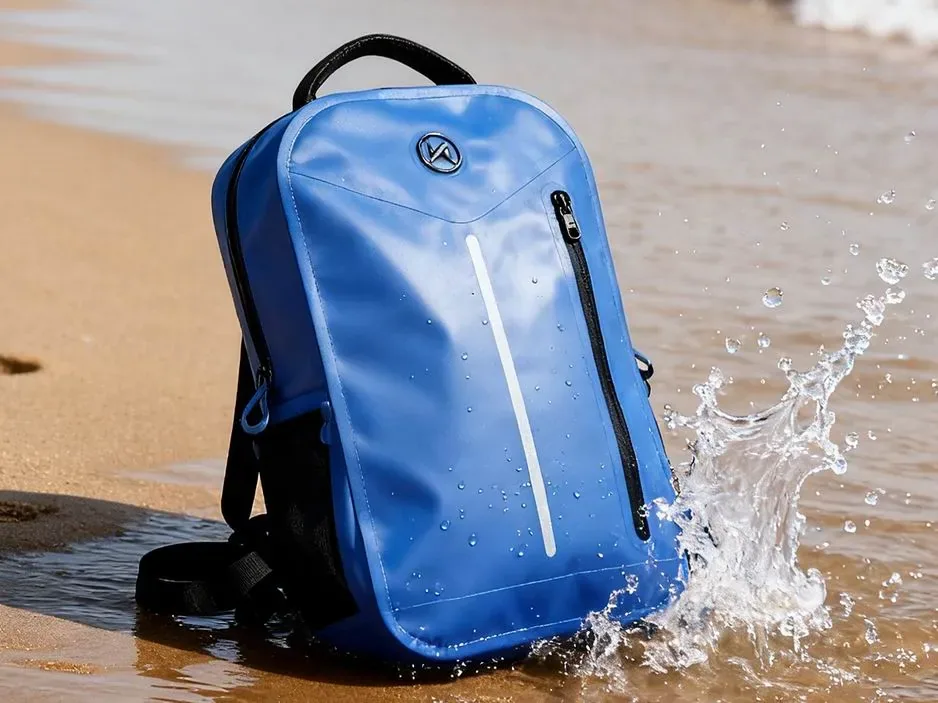
Work down the sequence: what the bag has to survive, which family does that, at what mass, with what coating, and with what evidence. Skipping a step is what produces a material that passes on a swatch and fails on a bag, and the order is what makes the decision defensible in a meeting.
What Is the Decision Table Actually For?
It turns a preference into a decision. A fabric chosen because it worked last time, or because a sample felt right, is a preference, and it cannot be defended when someone asks why. A selection that came down the sequence can be: each step has a reason and each reason can be stated in a sentence.
| Fabric family | What it does | Cost band | Where it earns its keep | When it is the wrong call |
|---|---|---|---|---|
| Polyester, plain weave | Stable, low stretch, good light behaviour | Low to mid | Everyday carriers and printed panels | Where a soft hand is the requirement |
| Polyester, oxford weave | A visible weave with good body | Low to mid | General bag shells across a wide mass range | A fine-surface appearance on a premium build |
| Nylon, plain weave | Strong for its mass with a softer hand | Mid | Light carriers and panels that fold | Constant sun exposure without a stabiliser |
| Ballistic weave | Very dense and hard wearing | Mid to upper mid | Abrasion zones and bases | Where weight and handle dominate |
| Canvas or cotton duck | A natural handle and appearance | Mid | Heritage styling and light duties | Heavy loads or a wetted environment |
| Coated or laminated cloth | Resists water and holds print | Mid | Weather panels and welded builds | Where the panel has to breathe |
What Is the First Decision?
What the bag has to survive. Abrasion at the base, sun on an outer face, load at a strap joint, water in a wetted route, or a printed panel that has to hold an image. Each of those points at a different property, and the property is what the rest of the sequence serves. Starting anywhere else tends to start with a price.
How Does Mass Enter the Sequence?
After the family, and only as a range rather than a target. Mass per unit area is the number that decides durability and weight together, and it is reported to a published method with the units stated. A mass given without the method is a figure nobody can check against a delivery.
What Does Coating Add to the Decision?
Water behaviour, print hold-out, stiffness and a different seam. It is the step most often taken for granted, because a coating is usually discussed as a finish rather than as a decision. Its mass, measured the same way as the cloth, is what makes it comparable between two offers.
What Does the Lining Change?
How the inside wears, how the panel slides over its contents, and how the bag looks when it is opened. A lining is chosen after the shell and not with it, because a lining that outwears the shell solves nothing and one that is too light fails first and takes the appearance with it.
| Job the fabric has to do | Property that governs | How it is evidenced | What to write on the order line |
|---|---|---|---|
| Resist abrasion at the base | Abrasion resistance | A result to a stated method after stated cycles | A minimum cycle figure against that method |
| Hold colour in daylight | Light fastness | A grade to a stated exposure method | A minimum grade with the method named |
| Carry load at a seam | Tensile and seam strength | Result on the joint to a published method | A minimum figure on the joint, not the cloth |
| Shed water off the face | Surface wetting behaviour | A spray rating to a stated method | A minimum rating with the method named |
| Resist water under pressure | Resistance to penetration | A hydrostatic result to a stated method | A minimum figure with the method named |
| Hold its shape in the wash | Dimensional change | A result to a stated laundering method | A maximum change in each direction |
What Role Does Hand Play?
A real one and a limited one. Hand is what a customer judges in the first few seconds, and it is also the property most easily mistaken for quality. Decide it deliberately, after the durability properties, and approve it on a handled coupon rather than on a swatch card.
How Should Trim Be Chosen?
After the shell, with the same sequence applied to a smaller part. Webbing carries load and is chosen by fibre, weave and width. Thread is chosen by fibre and ticket. A closure is chosen by the job it has to do. Each of those three has its own table, and none of them should be left to the line.
The five-step selection sequence
- Name what the bag has to survive, in the order the failures would cost you.
- Choose the family that does that, and eliminate the rest whatever they cost.
- Set the mass range from the durability requirement, with the method stated.
- Choose the coating for its water behaviour, its mass and its effect on the seam.
- Write the evidence for each step onto the order line as a figure against a method.
How Is a Shortlist Compared?
On the requirement, one property at a time, with the evidence beside it. A comparison done by handling three coupons produces a preference; a comparison done down the columns produces a decision that somebody else can follow and check.
What Does It Cost to Hold the Selection Still?
Nothing, and that is the point. A fabric family selected once and held across reorders removes a whole category of variation between orders. Changing it for its own sake costs more in approvals than it ever returns in material.
How Should Print Affect the Choice?
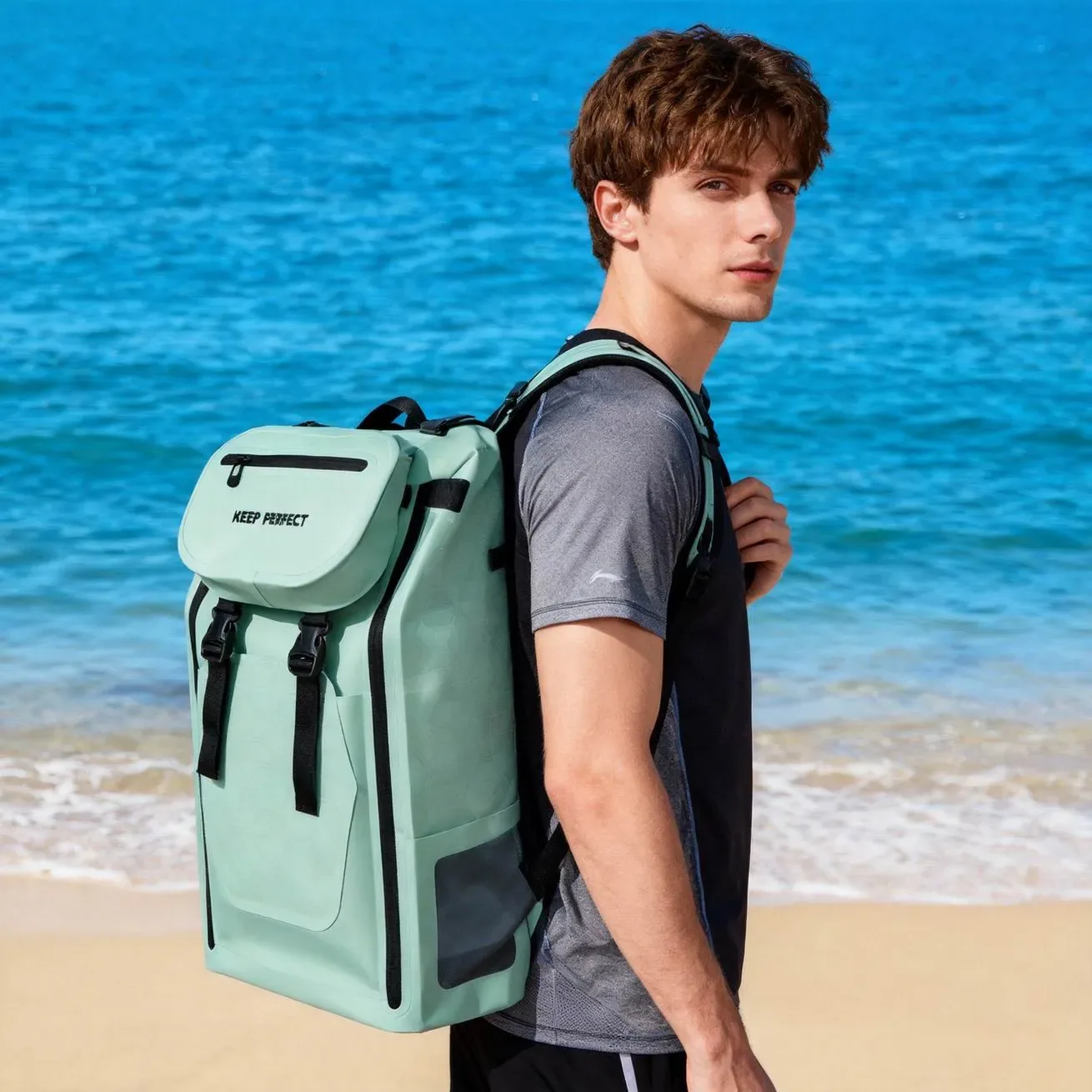
It narrows it. A printed panel needs a smooth face and a coating that holds the ink, and it rules out anything with a surface too open to hold an image. Where print is the point of the product, it belongs in the first step of the sequence rather than at the end.
What Happens When Two Requirements Conflict?
Write down which one governs and say why. A soft hand against abrasion resistance, or a light mass against a hydrostatic figure, cannot both be maximised. A decision that records the trade is a decision; one that tries to get both usually gets neither.
How Is the Selection Recorded?
As one line per decision: the requirement, the choice, the property that governed, the evidence and the figure. Five fields, and the third is the one that makes the selection reviewable a season later.
- Start from what the bag has to survive, not from a price.
- Eliminate families that cannot do the job before comparing cost.
- State mass with the method that evidences it.
- Treat the coating as a decision rather than as a finish.
- Choose the lining after the shell, and to outlast it.
- Record the trade wherever two requirements conflict.
How Is the Selection Verified on Arrival?
Draw at AQL 2.5 under ISO 2859-1 General Inspection Level II. Weigh a known area against the stated mass, compare the handle and the face against the retained approved coupon, and confirm the coating against its retained reference. Three checks, and the middle one catches most substitution.
What Records Make the Next Selection Easier?
The retained coupon with the five fields recorded beside it, and the shortlist that was rejected with the reason. Two things, and the second is the one that stops the same comparison being run twice.
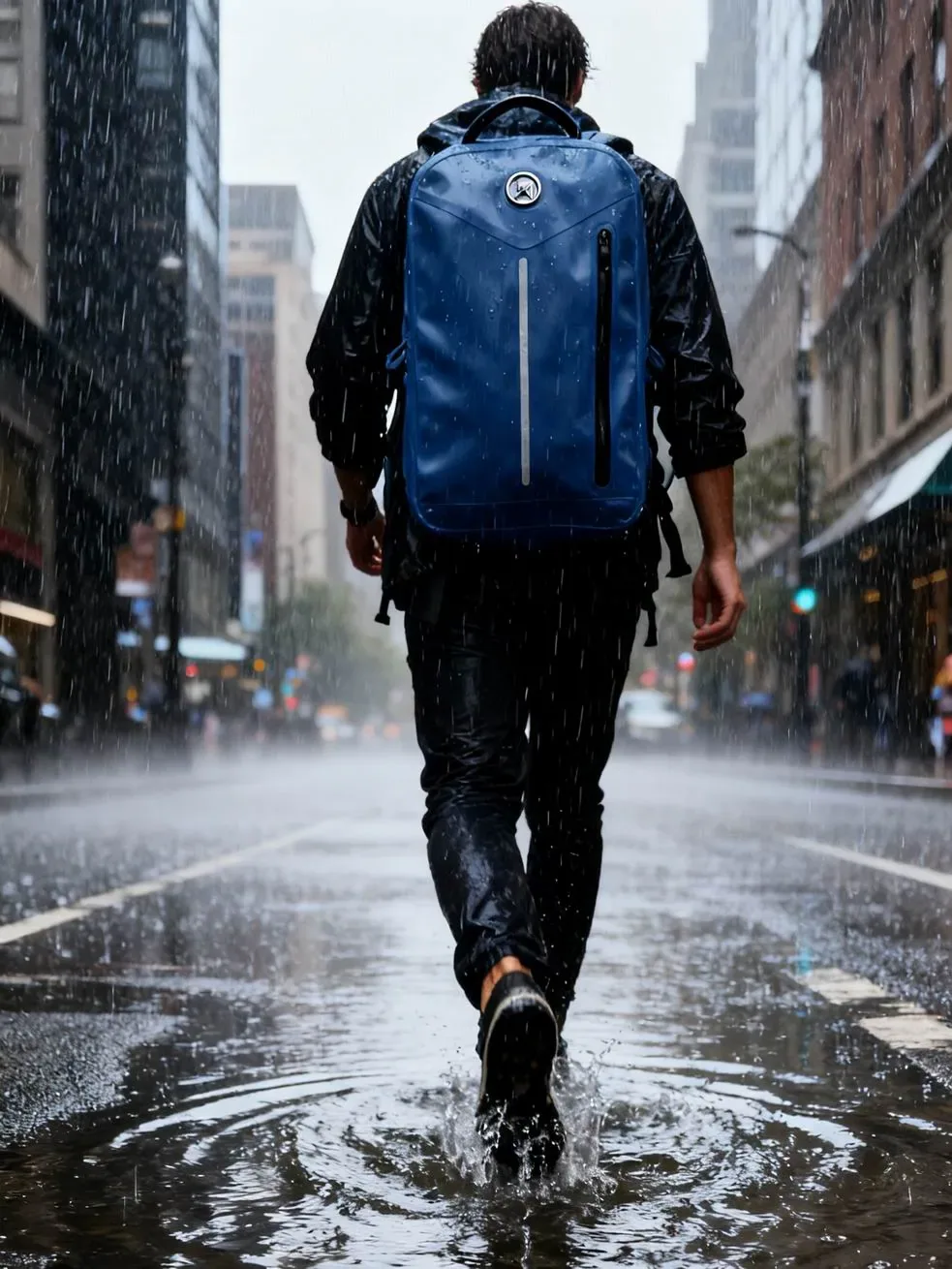
Most selection meetings are spent comparing fabrics that could never have done the job. Eliminate on the requirement first, then compare what is left.
How Should a Range Share Materials?
Wherever the requirement allows it. Two products sharing a substrate, a lining and a trim share every approval between them, which is worth more across a season than the small saving any single substitution would have produced.
How Does Weave Enter the Sequence?
After the family and before the mass. Weave decides abrasion behaviour, how a surface takes print and how a panel behaves at a seam, and two cloths of the same mass in different weaves perform differently in all three. It is the step most often skipped because it is invisible on a data sheet.
What Does Fibre Do That Weave Does Not?
Fibre decides light behaviour, stretch and what water does to the cloth. Weave decides what rubbing does to it and how the surface reads. They are separate decisions and they are usually taken together by habit, which is why a superficially correct selection can still age badly in one respect and well in another.
How Should the Base Be Chosen?
As its own panel, with its own requirement. The base takes abrasion, load and whatever is on the ground, and it is the part that fails first on most bags. A base chosen as material left over from the shell is a base chosen by accident.
What Does Stretch Do to a Pattern?
It moves it. A cloth with more extension changes how a panel is cut, how it holds a shape and how it behaves at a seam under load. Where a pattern is already approved, changing the fibre can require the pattern to be revisited, which is a cost that belongs in the selection.
How Should Colour Be Approved?
Against a physical reference under a stated light, on the coated build rather than on the bare cloth, and after any exposure the product will meet. Four conditions, and the third is the one that catches most problems, because a coating changes how a colour reads.
What Is the Role of a Stabiliser?
It slows what light does to a fibre. Where a product will sit in daylight for long periods, a stabilised construction is a requirement rather than an option, and it belongs in the first step of the sequence because it eliminates families that cannot have it.
How Does Storage Change the Cloth?
Heat and humidity can alter a finish and, on some constructions, the dimensions. A cloth that arrives correct can behave differently after a long transit, which is a reason to check the delivered material rather than only the pre-production sample.
What Should the Shortlist Record Carry?
The candidates, the requirement each was measured against, the result, and the reason each was or was not chosen. Four columns, and the last one is what stops the same comparison being run twice a season later.
How Should Two Weights of the Same Cloth Be Compared?
On the requirement rather than on the price. A lighter weight that still passes the abrasion and strength figures is a saving; one that passes only the strength figure is a saving that shows up later as a complaint. Compare against every property in the sequence.
| Decision | What the table should answer | Evidence it needs | What to write on the order line |
|---|---|---|---|
| Which family | Which one survives the named failure | A result to a stated method for that failure | The family, and the requirement it was chosen for |
| Which mass | The range that passes the durability figures | Mass per unit area to a published method | The range with the method and the units stated |
| Which coating | The water behaviour that is required | A spray rating or a hydrostatic result | The behaviour, the method and the figure |
| Which lining | One that outlasts the shell | Abrasion and rubbing results on the lining | The lining family, its mass and its results |
| Which trim | What each part has to carry or do | Strength and cycling results on the parts | The material, the size and the finish thickness |
| Which evidence | What will be drawn and checked | The sampling basis for the delivery | AQL 2.5 under ISO 2859-1 General Inspection Level II |
What Does the Trim Do to the Selection?
It can narrow it. Webbing, thread and closures each have a requirement of their own, and a closure that has to span an opening or a webbing that has to carry a load removes options that were still open before. Decide the trim before the shell is finalised rather than after.
How Is the Selection Communicated to the Line?
As a line on the tech pack per decision, with the figure and the method beside it. A selection communicated by a sample alone gets interpreted, and interpretation is where a correct selection becomes a different material.
What Does an Approval Record Contain?
The requirement, the choice, the property that governed, the evidence and the figure. Five fields, and they are what let a selection be reviewed a season later without anyone having to remember why.
- The requirement, stated as the failure the bag must survive.
- The choice, named by family and construction.
- The property that governed, with the method it was measured by.
- The evidence, held as a document rather than as a memory.
- The figure, stated as a minimum or a maximum.
- The retained coupon, carrying all five beside it.
How Is the Selection Defended in a Meeting?
By stating the sequence. Each step takes a sentence: what had to be survived, which family did it, at what mass, with what coating, and what the evidence was. Five sentences, and they answer nearly every question a selection gets asked.
How Is the Selection Written Up?
As one line per decision on the tech pack, with the requirement, the choice, the property that governed and the figure beside it. Four fields per line, and they are what make the selection reviewable rather than remembered, which is what a review a season later needs.
What Should Be Reviewed Each Season?
The mass being delivered, the evidence still being current, and whether the requirement itself has changed. Three standing checks, and the third is the only one that justifies reopening the selection.
Run the sequence before the shortlist
Tell us what the bag has to survive and where it will be used, and we come back with the selection worked down the sequence.
Frequently Asked Questions
How do I choose a fabric for a bag?
In sequence: what it has to survive, which family does that, at what mass, with what coating, and with what evidence.
What is GSM?
Mass per unit area, reported to a published method with the units stated. It decides durability and weight together.
Which fabric is most durable?
The one that passes the abrasion requirement you actually have. Durability is a result against a method, not a property of a name.
Does a heavier fabric always last longer?
No. Construction and fibre change the result more than mass does, and a heavy cloth in the wrong weave still wears out.
Should the lining match the shell?
Not necessarily. The lining is chosen after the shell and to outlast it, which usually means a lighter cloth in a different family.
How does coating affect the choice?
It changes water behaviour, print hold-out, stiffness and the seam. Treat it as a decision rather than as a finish.
What if two requirements conflict?
Record which one governs and why. A trade written down is a decision; one left open usually gets neither.
How is a shortlist compared?
Property by property against the requirement, with the evidence beside it, rather than by handling three coupons.
How is the mass checked on arrival?
Weigh a known area and compare it against the stated figure, then compare the handle against the retained coupon.
Should the same fabric be kept across reorders?
Yes. Holding it still removes a whole category of variation and costs nothing to do.
How should a range share materials?
Wherever the requirement allows it, since shared materials share every approval between products.
What records should be kept?
The retained coupon with the five fields beside it, and the shortlist that was rejected with the reason.
People Also Ask
How do you choose a fabric for a bag?
In sequence: what it has to survive, which family does that, at what mass, with what coating, and with what evidence.
What does GSM mean?
Mass per unit area, reported to a published method with the units stated.
Which bag fabric is most durable?
The one that passes the abrasion requirement you actually have, evidenced to a stated method.
Does a heavier fabric last longer?
Not always. Construction and fibre change the result more than mass does.
How do you compare two bag fabrics?
Property by property against the requirement, with the evidence beside it, rather than by handling coupons.
Sources and further reading
Every figure on this page is either our own programme data or attributed below. Open the originals before you write them into a specification.
- ASTM D3776 — Standard Test Methods for Mass Per Unit Area of FabricASTM International
- ISO 13934-1 — Tensile properties of fabrics, strip methodInternational Organization for Standardization
- AATCC 16 — Colorfastness to LightAmerican Association of Textile Chemists and Colorists