Why Are MOQ, Sampling and Bulk Windows Set Where They Are?
Each window follows from a constraint that can be planned around. MOQ 500 pcs covers material minimums and set-up recovery; sampling 6-10 working days covers six steps that end in evidence rather than in a nice unit; bulk 35-50 days from written sample approval covers eight stages.
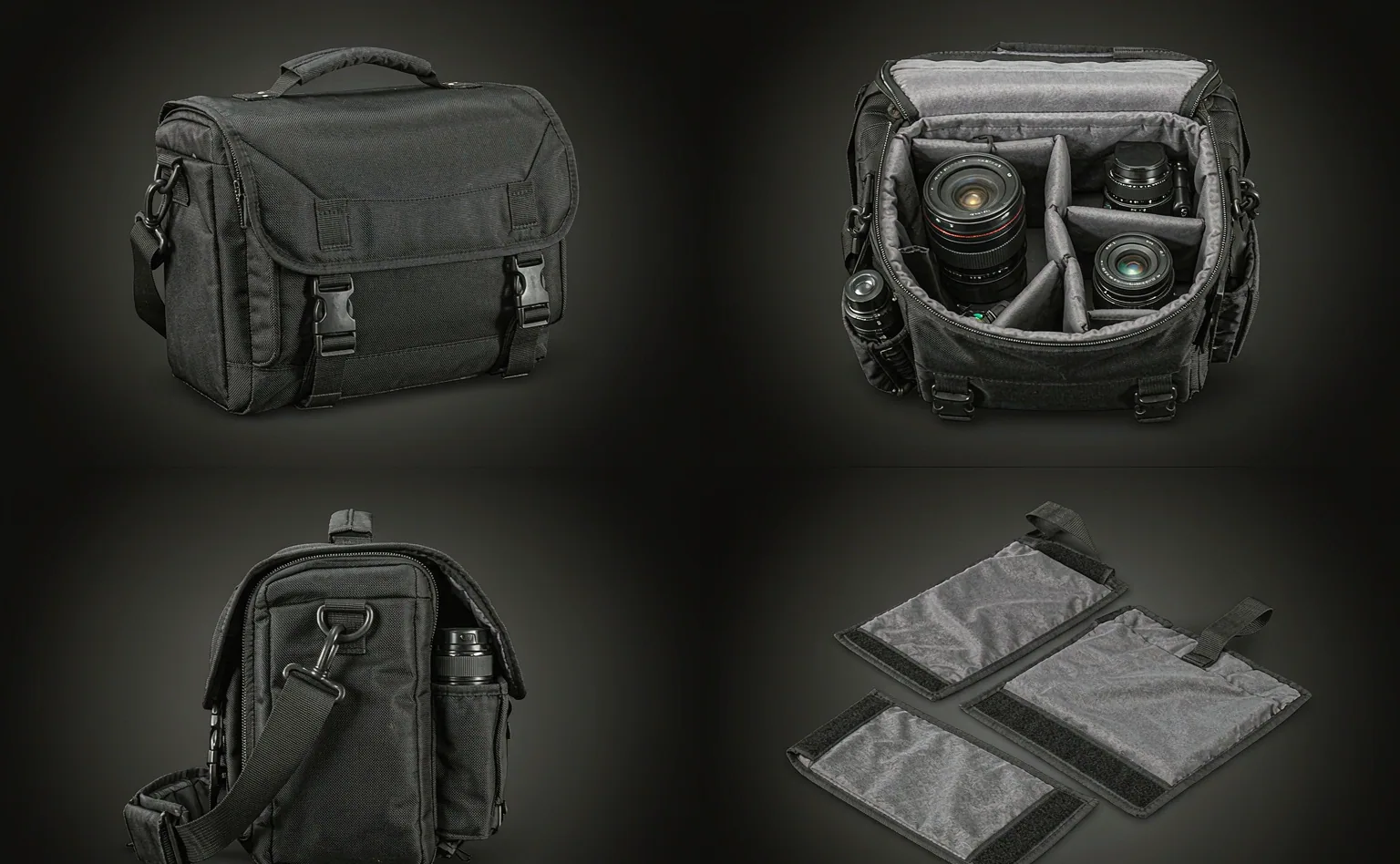
The windows are what they are because of specific constraints, and each one can be planned around. MOQ 500 pcs per style and colourway reflects material minimum purchase and set-up recovery. Sampling takes 6-10 working days because materials are drawn, cut, sewn and finished before a valid unit exists. Bulk runs 35-50 days from written sample approval, and every part of that range is accounted for below.
Buyers dislike quoted windows mainly because they arrive unexplained, which makes them feel arbitrary. They are not. A neoprene programme has more material-handling steps than a woven one — sheet is pulled, laminated if it is not bought laminated, nested and cut, then assembled with operations that each need setting up — and a window that does not account for those steps is a promise that will be broken in month two. This page sets out what drives each figure, what a buyer can do to influence it, and what genuinely cannot be compressed.
Why Is MOQ Set at 500 pcs Per Style and Colourway?
Two costs sit behind it, and neither is a profit margin. The first is material minimum purchase: sheet, face fabric and trim are bought from mills and converters in minimum quantities, and those minimums do not reduce because an order is small. The second is set-up recovery: every colourway and every style needs nesting, tooling where tooling is used, machine settings, operator briefing and a first-off approval, and that work is the same whether it is spread over fifty units or five hundred.
The consequence is that below roughly this quantity the fixed cost per unit rises steeply rather than gently, and the unit price stops making sense for either side. Where a buyer genuinely needs to start smaller, the honest conversation is about reducing variables rather than about reducing quantity: one colourway instead of three, a stock material instead of a dyed-to-order one, or a simpler construction. Those three reduce real cost, which a lower quantity does not.
| Driver | What it costs | What reduces it | What does not |
|---|---|---|---|
| Material minimum purchase | Mill minimums on sheet, fabric and trim | Using a stock colourway or stock face fabric | A smaller order quantity |
| Nesting and cutting set-up | Pattern preparation per style | Reusing an existing pattern | Negotiating the order size |
| Machine setting per colourway | Thread, folder and presser settings | Fewer colourways per order | Asking for the same price at lower quantity |
| First-off approval | Supervisor time and a re-run if wrong | A complete tech pack at order placement | Shortening the approval step |
| Sourced components | Their own minimums and lead times | Choosing stock hardware | Hoping the supplier absorbs minimums |
| Change control and records | Documentation per lot | Standardising across the programme | Skipping documentation |
What Actually Happens During the Sampling Window?
Six steps, in order, none of which can be skipped. Material is drawn and checked against the specification. It is cut, which includes proving the nesting and therefore proving yield. Panels are printed or decorated if the design carries decoration, and that includes drying or curing. The article is assembled, which is where most surprises occur. It is finished and inspected. And only then is it measured against the test protocols the programme agreed.
That sequence is why a sampling window cannot be shortened by hurrying the last step. The useful output of sampling is not a nice-looking unit; it is evidence about what a production line will do. A unit assembled slowly by an experienced hand hides exactly the problems sampling exists to find, which is why asking for a production-made sample rather than a presentation one matters more than asking for it quickly.
Why Does Sampling Take 6-10 Working Days, and What Moves It Longer?
Six working days is realistic when everything is in hand: the tech pack is complete and signed off, the materials are stock, the components are stock, and no new tooling or new print film is needed. Toward ten days sits the ordinary case, where something has to be drawn, cut and approved twice because the first attempt taught something. Both figures assume the clock starts from a signed-off file rather than from first enquiry.
Three things move it toward twelve to fifteen working days, and all three are visible early for anybody willing to look. A sourced component that is not in stock. A dyed-to-order colourway or a non-stock face fabric. And a construction that needs new tooling or a new print screen. Naming those three at quotation stage turns a surprise into a line item, which is the most useful thing a buyer can do with this paragraph.
What Starts the Bulk Clock, and Why Does the Answer Matter?
Written sample approval starts it. That single definition prevents most disputes in this category, because everything else is measurable once it is agreed. Sample dispatch does not start it, deposit does not start it, and purchase-order issue does not start it. The distinction is not pedantic: between dispatch and written approval there is usually a round of comments, sometimes a revision, and those days are real whether or not either party counted them.
The practical instruction is to agree what counts as approval and who can give it. A single named approver with authority to sign shortens the interval more than any expediting does. Multiple stakeholders reviewing sequentially can add more time than the entire production window, and that delay is invisible in every quoted figure because it happens on the buyer side of the boundary.
- MOQ
- 500 pcs per style and colourway
- Repeat quantity
- Can be discussed to 300 pcs where tooling and reference exist
- Sampling
- 6-10 working days from a signed-off tech pack
- Complex sampling
- 12-15 working days with sourced components or dyed-to-order material
- Bulk production
- 35-50 days from written sample approval
- Inspection
- AQL 2.5 under ISO 2859-1, General Inspection Level II
- Payment
- T/T 30/70
- Terms
- FOB Xiamen, with CIF and DDP available
- Approver
- One named authority able to sign sample approval
- Change after approval
- Treated as a new sampling cycle rather than an amendment
What Happens Inside the 35 to 50 Days?
Nine sequential blocks, and the order explains the range. Materials are ordered and received. They are laminated or otherwise prepared. They are nested and cut. Components are received and checked. Assembly runs, which is the largest block and the one sensitive to how many operations the design carries. Decoration runs if it has not already run on cut panels. Finishing and trimming follow. Inspection is carried out to the agreed sampling plan. And finally packing, cartonisation and documentation.
The spread between thirty-five and fifty is caused mostly by two variables: whether materials were stock or had to be made, and how many operations the design carries. A simple article in a stock colourway sits at the short end. A multi-construction article with dyed-to-order fabric and sourced hardware sits at the long end, and the honest way to quote it is to say so at quotation rather than to quote the short figure and explain later.
| Stage | Sequence position | Typical share of the window | What lengthens it |
|---|---|---|---|
| Material receipt | First | Largest single external dependency | Dyed-to-order colourways and non-stock fabric |
| Lamination or preparation | Second | Moderate | Bought-in laminate versus laminating in-house |
| Nesting and cutting | Third | Moderate | A new pattern that has not been proved for yield |
| Component receipt | Overlapping | Variable | Non-stock hardware with its own minimum |
| Assembly | Middle | The largest internal block | Every additional construction added to the design |
| Decoration | Middle to late | Variable | Print routes needing their own approval cycle |
| Finishing and inspection | Late | Fixed and short | A defect class list agreed late |
| Packing and documents | Last | Fixed | Retail packaging requirements confirmed late |
What Can a Buyer Do to Shorten the Plan Without Breaking It?
Four things work, and all four happen before the order is placed. Freeze the tech pack, because every revision after it costs real days rather than paper days. Use stock colourways and stock components where the design allows, which removes the longest external dependency. Reduce the number of operations the design carries, since assembly is the largest block and every extra station costs both time and handling. And name a single approver who can sign the sample.
Two things do not work, and both are attempted often. Asking for production to start before approval, which converts the sample into a first-off and puts the whole risk onto the first bulk run. And asking for sampling inside a working day or two, which produces a presentation unit assembled by hand and hides everything the exercise was meant to find. Both create the appearance of speed and deliver delay.
Where Does Inspection Sit in the Plan?
At the end of assembly and before packing, with time allowed for the possibility of re-work, because that is what the sequence does not contain by default. Inspection at AQL 2.5 under ISO 2859-1 General Inspection Level II is a sampling plan, not a formality: for a 500-piece lot at Level II the code letter is H, fifty units are drawn, and three defects in the major class are accepted against four rejected. Those numbers come from the standard and they are the same for every supplier who uses it honestly.
What the standard does not tell you is what happens next. A failed lot needs a decision, a re-work plan and a re-inspection, and that cycle is a number of days that nobody has written into the schedule yet. Ask for it to be written in, agree who bears what if the lot fails, and agree who signs a waiver if the date is fixed and the only other option is a partial shipment. Why bulk production takes 35-50 days sets out why the window is quoted honestly rather than optimistically.
Planning a neoprene programme honestly
- MOQ 500 pcs reflects material minimums and set-up recovery, not a margin decision.
- The sampling clock starts from a signed-off tech pack, and the bulk clock from written approval.
- Three things push sampling long: sourced components, dyed-to-order material and new tooling.
- Assembly is the largest block, so operations count more than promises do.
- Allow for re-work and re-inspection inside the window, because the plan does not contain it by default.
There is a third option that sits between the two and is worth understanding before deciding: splitting a shipment. Where the schedule is tight on part of a programme rather than all of it, shipping a proportion at the earlier date and the balance later can reconcile a fixed launch date with an honest window. It costs freight and it costs a second documentation cycle, but it is a plan rather than a hope, and it keeps the rest of the programme on its real schedule.
Why Do Some Quotations Promise Much Shorter Windows?
Because nobody enforces the promise, and because the difference is usually absorbed somewhere the buyer does not see: material substituted for whatever is in stock, an inspection plan quietly reduced, or a programme pushed ahead of the schedule it was quoted against until it slips. None of those appear on a quotation, and all of them appear later. We do not promise the fastest 20 days. We promise a delivery date you can calculate.
There is a second reason worth naming, because it is more common than bad faith. Many short figures are quoted before the specification was understood, so they describe a simpler article than the one being delivered by the time the order is placed. Comparing a promise made against one specification with a promise made against another is not a comparison at all, which is why quoting the triggers and exclusions matters more than quoting the number.
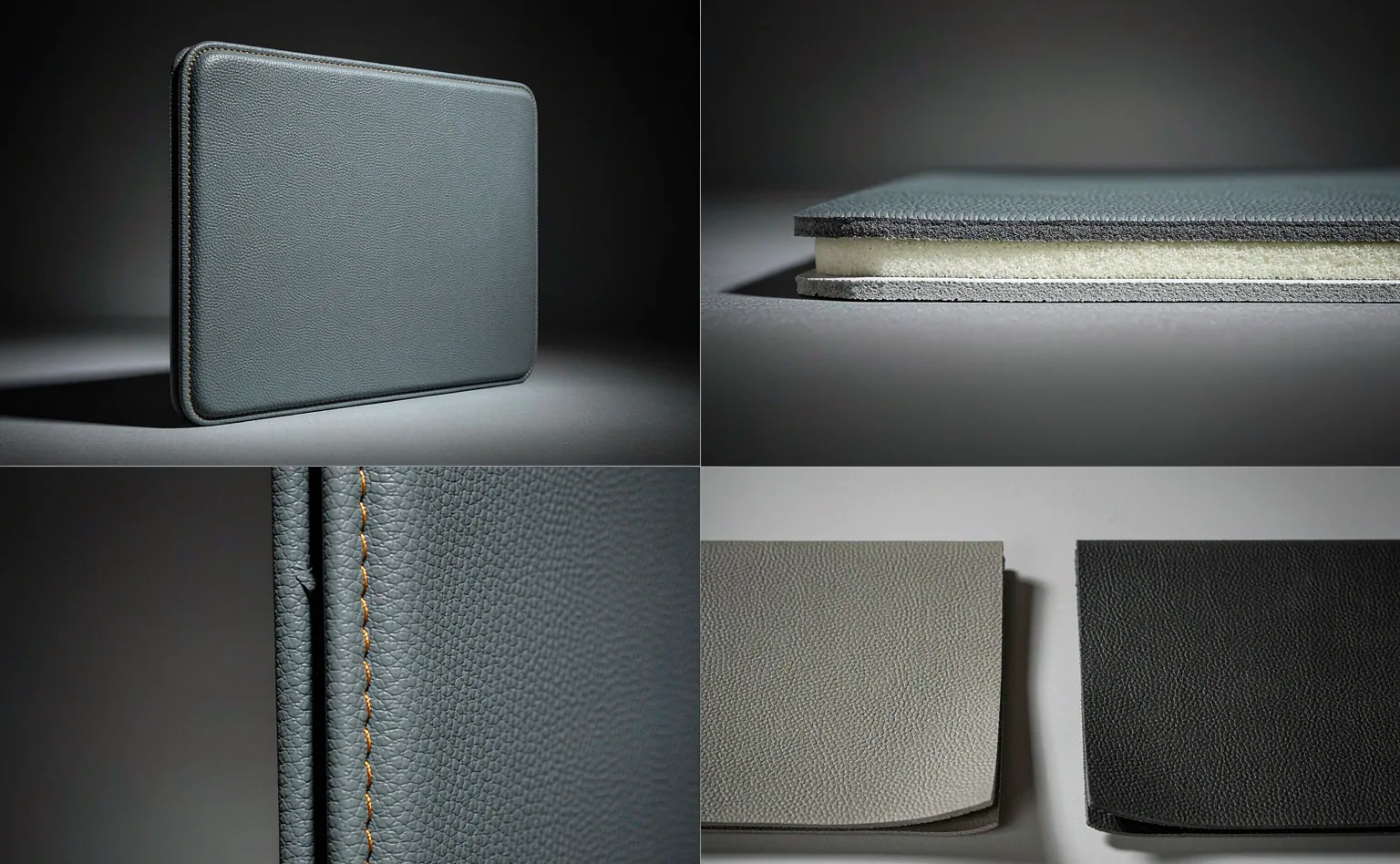
How Should the Whole Programme Be Scheduled Backwards?
Start from the date goods have to be on the water or in the warehouse and work back, adding real numbers at each stage rather than optimistic ones. Allow the sampling window, allow review and approval on the buyer side, allow the bulk window, allow inspection and possible re-work, allow packing, and allow freight and customs entry on top, which is outside the production window entirely and surprises buyers more often than anything inside it.
Then add the two buffers that almost nobody budgets: a revision cycle after the first sample, and a holiday period at the production base that nobody was thinking about when the schedule was drawn. Neither is a failure of planning if it is allowed for; both are crises if they are discovered rather than scheduled.
It also helps to plan the seasonal reality rather than the calendar ideal. These programmes cluster: everyone wants goods for the same quarter, the presses and the lines fill in the same weeks, and the external dependencies that usually take days can take longer. Booking material position earlier than the schedule strictly requires is the most economical insurance available, because material is the dependency nobody can expedite later.
Programme numbers are unchanged by any of this: MOQ 500 pcs per style and colourway, sampling 6-10 working days from a signed-off tech pack, bulk production 35-50 days from sample approval, inspection at AQL 2.5 under ISO 2859-1 General Inspection Level II, T/T 30/70, quoted FOB Xiamen. What changes is how much of the calendar the buyer can see in advance, and that is entirely within reach with one backwards-drawn schedule.
One final point about payment, because it interacts with the plan more than it looks as though it should. T/T 30/70 puts the larger part of the value before shipment, so the deposit triggers material ordering and the balance is normally arranged against a passed inspection or documents. Agreeing which of those two governs the balance removes an argument at exactly the point in the schedule where there is least time for one.
Get a schedule you can plan backwards from
Send the specification, the quantity and the date goods have to move. You get a milestone schedule with the triggers named, within one business day.
Frequently Asked Questions
What is the MOQ for custom neoprene bags?
MOQ 500 pcs per style and colourway. It reflects mill minimum purchase quantities and set-up recovery rather than a margin decision.
Can MOQ be discussed below 500 pcs?
On a repeat programme, yes, toward 300 pcs, because tooling, pattern and reference sample already exist. On a first order the same fixed costs apply to fewer units.
How can I reduce cost without reducing quantity?
Reduce variables instead: fewer colourways, stock rather than dyed-to-order material, and a simpler construction. Those remove real cost, which a smaller order does not.
What does the sampling clock start from?
A signed-off tech pack. Not first enquiry, and not purchase-order issue.
What does the bulk production clock start from?
Written sample approval. Sample dispatch, deposit and purchase-order issue do not start it.
What moves sampling toward 12-15 working days?
Sourced components that are not in stock, dyed-to-order colourways or non-stock fabric, and new tooling or print screens.
What are the stages inside the bulk window?
Material receipt, lamination or preparation, nesting and cutting, component receipt, assembly, decoration, finishing and inspection, then packing and documentation.
What sample size applies to a 500-piece lot?
At General Inspection Level II the code letter is H: fifty units drawn, accept three and reject four at AQL 2.5 for major defects.
Is re-work inside the quoted window?
Not by default. Ask for it to be written in, with who signs a waiver if the lot fails and the ship date is fixed.
Why are some quoted windows much shorter?
Either material is substituted for whatever is in stock, or the inspection plan is quietly reduced, or the figure was quoted before the specification was understood.
What are the payment terms?
T/T 30/70, with the deposit triggering material ordering and the balance arranged against a passed inspection or against documents as agreed.
Which Incoterm is quoted?
FOB Xiamen as standard, with CIF and DDP available on request. Which one suits you depends on who controls freight.
How far ahead should I start?
Draw the schedule backwards from the date goods must move, adding sampling, approval, the bulk window, possible re-work, packing and freight, plus a revision cycle and any holiday period.
Does a specification change cost days or weeks?
Days if it is before material is ordered; a full sampling cycle if it is after. Treat any material change as a new sampling cycle rather than an amendment.
People Also Ask
What is the minimum order for custom neoprene?
500 pcs per style and colourway, with repeat programmes open to discussion at 300 pcs.
How long do custom neoprene bags take?
Sampling 6-10 working days from a signed-off tech pack, then bulk production 35-50 days from written sample approval.
What starts the production clock?
Written sample approval, which is why agreeing a single named approver shortens the whole programme.
Why can sampling not be done faster?
Because its output is evidence about the production line, not a presentation unit. Hurrying the last step defeats the purpose.
Can I reduce the lead time?
Yes, before the order is placed: freeze the tech pack, use stock materials, reduce operations, name one approver.
Sources and further reading
Every figure on this page is either our own programme data or attributed below. Open the originals before you write them into a specification.
- ISO 2859-1:1999 Sampling procedures for inspection by attributesInternational Organization for Standardization
- Incoterms 2020 rules published by the International Chamber of CommerceInternational Chamber of Commerce
- ISO 9001 — Quality management systems: requirementsInternational Organization for Standardization