How Do You Ask About Bag MOQ and Still Get a Real Quote?
Ask about cost rather than policy. Four questions replace the generic one: what is fixed in this run, does a colourway carry its own setup, what does the price do above the floor, and what changes on a repeat. The floor is 500 pcs per style and colourway, and a documented repeat can be discussed down to 300 pcs.
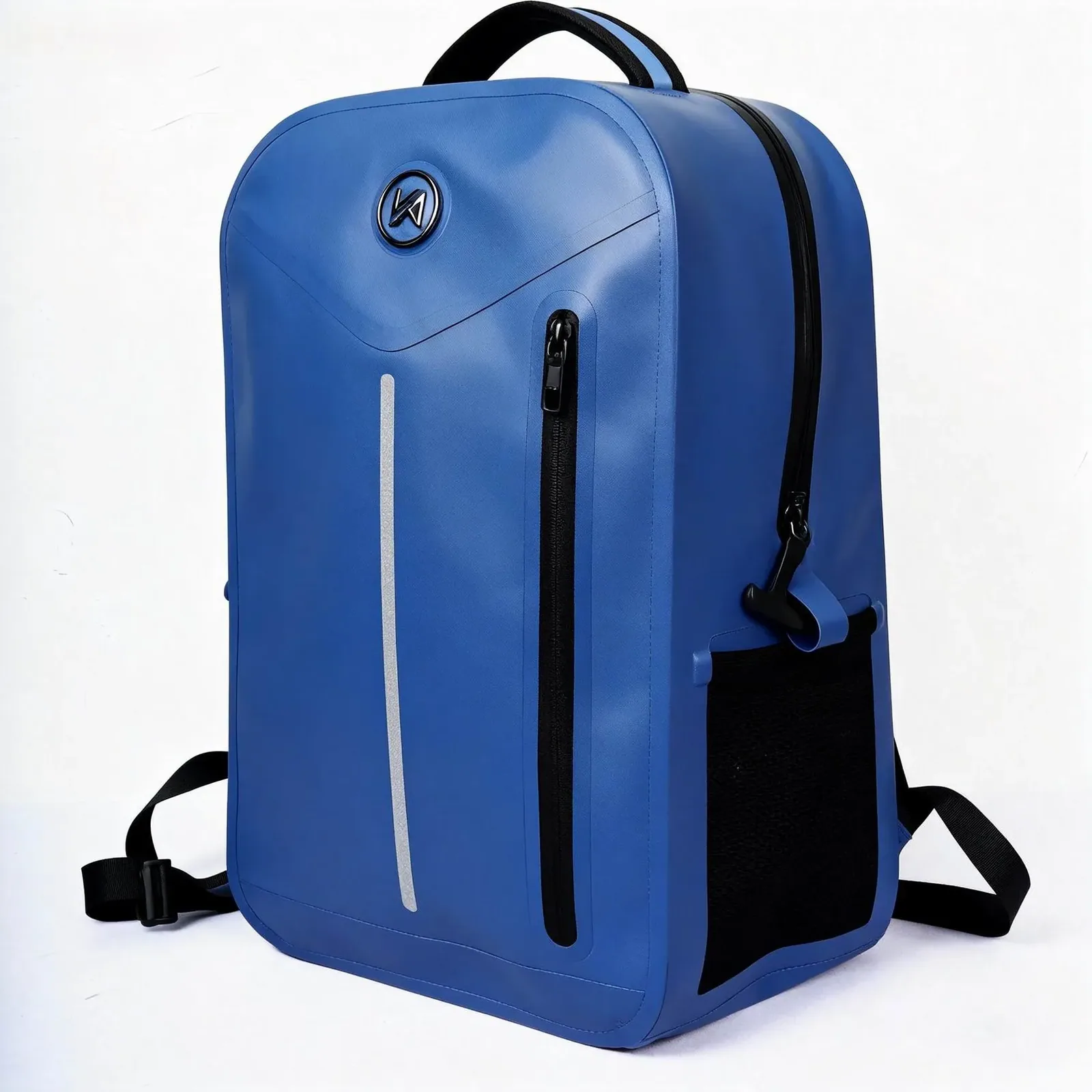
"What is your MOQ?" gets a generic answer because it is a question about policy, and policies are quoted as headlines. The question that gets a real answer is a question about cost: ask what is fixed in a run, ask whether a colourway carries its own setup, ask what the pattern and tooling cost to amortise, and ask what happens on a repeat. On this programme the floor is 500 pcs per style and colourway, and a repeat can be discussed down to 300 pcs because the fixed cost has been paid once.
Every buyer asks about minimum order quantity early, and almost every buyer asks it in the form that produces the least useful answer. The question is not wrong; it is aimed at the wrong thing. MOQ is not a preference or a policy. It is the point at which the fixed cost of a run stops dominating the unit price, and that point is different for a single-colour panel bag and for a three-colour welded build. This piece sets out what the number is actually made of, which question replaces the generic one, and how to plan a first order around the floor rather than against it.
Why Does "What Is Your MOQ" Get a Generic Answer?
Because the question has no object. A minimum exists per style, per colourway, per fabric and per hardware purchase, and the answer to "what is your MOQ" is the safest headline number rather than the one that applies to the job in front of the desk. Where the buyer then builds a plan on the headline and discovers the real figure at quotation stage, the programme has lost whatever time the plan consumed.
There is a second reason, and it is defensive. A desk asked a bare policy question will answer with the figure that protects it, because a buyer who has not said what they are building may be building anything. Give the desk a shape, a material and a colourway split and the answer changes, because the question has become answerable.
What Is an MOQ Actually Made Of?
Four fixed costs and one variable one. The fixed costs are the pattern and grading, the cutting tooling, the setup for printing or branding, and the line changeover. The variable one is the material purchase, and it is the one that surprises buyers: fabric is bought or dyed in lots, hardware is bought in pack quantities, and both carry their own minimum regardless of how many bags are being made.
| Fixed or variable cost | What it is | Why it sets a floor | What a buyer can do about it |
|---|---|---|---|
| Pattern and grading | Digitising the panels and any size run | Cost is the same whether 200 or 5,000 units are cut | Re-use it on a repeat order |
| Cutting tooling | Dies or a digital cutting file | A die has to be made before the first panel is cut | Accept it once, amortise it across repeats |
| Branding setup | Screens, heat-transfer tooling or an embroidery tape | Setup is per colour per position | Consolidate positions and colours |
| Line changeover | Threading, setting weld parameters, first-piece approval | First pieces are slower and partly scrapped | Fewer, larger runs rather than many small ones |
| Material lot | Fabric dye lot, hardware pack quantity | A mill sells a lot, not a length | Choose a stock colour, or accept the lot |
Is a Colourway a Separate Minimum?
In practice, yes, and this is the single most common source of a nasty surprise. A colourway usually means a separate fabric purchase or a separate dye lot, a separate thread and webbing match, and a separate line setup with its own first-piece approval. A 500-unit order in three colourways is three runs of roughly 167 units, and each run carries the fixed costs of a run. That is why the floor is stated per style and colourway rather than per order.
The exceptions are worth knowing. Where a colourway is produced by changing only a trim or a print on a common body, the additional cost is much smaller and the desk may treat it as one run with a trim variation. Where a colourway requires a different fabric, it is a full separate run. Ask which case applies, because the answer changes the price by more than most material substitutions do.
Which Question Gets a Real Answer Instead?
Ask about the cost, not the policy. Four questions do the work: what is fixed in this run and how much of it is one-time; does a colourway carry its own setup here; what does the price do at the floor and at double the floor; and what changes on a second order of the same item. Each of those has a specific answer, and together they tell the buyer whether the floor is a barrier or simply a shape to plan around.
| Question buyers ask | Answer it produces | Question that works | Answer it produces |
|---|---|---|---|
| "What is your MOQ?" | A headline policy figure | "What is fixed in this run, and is any of it one-time?" | A list of setup costs and which are re-usable |
| "Can you do 200?" | Yes, at a price, or no | "Does a colourway carry its own setup on this item?" | Whether three colours is one run or three |
| "Is 500 the minimum?" | A restatement of policy | "What is the price at the floor and at twice the floor?" | The real shape of the quantity curve |
| "Do you do small orders?" | A defensive answer | "What changes on a repeat of the same style?" | Whether the second order drops below the floor |
| "What is your minimum per colour?" | A policy figure again | "Which material lot minimum applies to this fabric?" | The actual constraint behind the number |
Why Is 500 the Floor on This Programme?
Because at 500 pcs per style and colourway the fixed costs of a run stop being the dominant part of the unit price. Below that, the pattern, the tooling, the branding setup and the changeover are spread over too few units and the buyer pays a setup surcharge that feels punitive but is simply arithmetic. The floor is not a negotiating position; it is the point where the arithmetic starts working in the buyer favour.
That is also why the floor is stated per style and colourway. A buyer ordering 500 units in one colourway is at the floor. A buyer ordering 500 units across three colourways is below it in each of three runs, and the quote will either carry three setups or propose a consolidation. Neither outcome is a problem, but both are easier to plan for when they are understood before the quotation arrives.
When Can 300 pcs Be Discussed?
On a repeat order, and the reason is specific rather than generous: the pattern exists, the tooling exists, the reference sample exists, and the material lot has usually been run before. The fixed cost has been paid once, so the remaining question is whether the line changeover and the material purchase can be absorbed. Where the repeat uses the same fabric colour and the same hardware, 300 pcs can be discussed; where it needs a new dye lot, the material constraint reasserts itself.
- Per style and colourway
- The floor stated for one style in one colourway
- Fixed costs
- Which setup costs are one-time and which repeat per run
- Colourway treatment
- Whether an additional colourway is a trim change or a full run
- Material lot
- The fabric and hardware minimum that actually binds
- Price at the floor
- The unit price at the minimum quantity
- Price above the floor
- The unit price at two or three times the minimum
- Repeat position
- What quantity a second order of the same item can be discussed at
- Tooling ownership
- Who owns the pattern, the dies and the branding tooling
How Does Quantity Interact With Unit Price?
Through amortisation, and the curve is steeper at the bottom than buyers expect. The step from the floor to twice the floor is worth more per unit than the step from twice to four times, because the fixed cost is being spread. Where a buyer is deciding between ordering at the floor and ordering ahead, the arithmetic usually favours ordering ahead once, provided the design is stable and the storage cost is understood.
| Quantity per style and colourway | What changes | When it is the right choice |
|---|---|---|
| At the floor | Full fixed cost carried by the minimum number of units | Testing a new style or a new market |
| Twice the floor | Setup spread over more units; material booked in one lot | A design that is settled and selling |
| A year of repeats booked forward | One dye lot, one setup amortised across drops | A programme with a stable specification |
| A repeat of a documented style | Pattern, tooling and reference sample re-used | The second and later orders of the same item |
What Does the Floor Mean for Sampling and Tooling?
Sampling is unaffected by quantity, and that surprises buyers who assume a smaller first order is also a faster one. A sample costs the same to make whether the order behind it is 300 or 5,000 units, and it takes 6-10 working days from a signed-off tech pack either way, or 12-15 for a complex build. What quantity changes is the price and the material availability, not the development time.
Tooling is the part worth agreeing in writing. Patterns, cutting dies and branding screens are physical or digital assets created for a specific style, and the question of who owns them and where they are held determines what a second programme can re-use. Ask before the first order rather than after, because the answer is easy at the start and awkward once money has been spent on both sides.

How Do You Plan a First Order Around the Floor?
Treat the floor as a design constraint rather than as an obstacle. A first order at the floor in one colourway tests the market with the lowest committed capital and produces a documented reference for the reorder. A first order spread across three colourways at the same total spends the same money and gets three runs that are each below the floor. Where a range genuinely needs three colours at launch, the honest options are a larger total or a staged launch, and both are better than discovering the problem at quotation.
The second planning move is to state the annual expectation in the first enquiry. A desk that knows the first order is 500 pcs and the year is 2,000 pcs can amortise setup across the year, book fabric forward and hold a colour standard. The first-order price improves, and — more usefully — the reorder price is known before the first order is placed, which is what a planner actually needs.
How Does Quantity Affect the Inspection Plan?
Quantity sets the sample size for inspection, and that surprises buyers who have treated inspection as a fixed exercise. Under ISO 2859-1 at General Inspection Level II, the sample size follows from the lot size through a code letter, so a run at the floor and a run at four times the floor are inspected with different sample sizes and different accept and reject numbers. A 500-piece lot draws code letter H, which is 50 units sampled, with an accept and reject pair of 3 and 4 at AQL 2.5 for major defects.
The consequence for the buyer is that the inspection plan has to be stated alongside the quantity rather than after it. Where a buyer increases quantity at the last moment, the plan changes with it, and a plan that has not been restated is a plan that will be argued about at the release gate. The sampling logic is set out in how many units get inspected on a 500-piece order, and it is worth reading once before the first order rather than during the first dispute.
What Should Be Written About Quantity in the Order?
Four lines: the quantity per style, the quantity per colourway, the tolerance on the delivered quantity, and the treatment of any shortfall. The third and fourth are the ones usually omitted, and they matter because production rarely lands exactly on the number. A stated tolerance of plus or minus a small percentage, with a defined treatment of the difference, prevents an argument at the invoice stage.
Asking about quantity so the answer is usable
- Ask what is fixed in the run, not what the policy says.
- Ask whether a colourway is a trim change or a full separate run.
- Ask for the price at the floor and at twice the floor, because the curve is steepest at the bottom.
- Ask what changes on a repeat, and get the reorder quantity in writing at the first order.
- Ask who owns the pattern, the dies and the branding tooling before the first order is placed.
What If the Programme Cannot Reach the Floor?
Then the honest answer is a different shape of order rather than a negotiation. Where a brand needs a small quantity because it is testing, the workable options are a stock-colour build rather than a dyed-to-order one, a standard construction rather than a bespoke one, or a consolidation of colourways into one run with a trim variation. All three reduce the fixed cost rather than arguing about the floor.
The option that does not work is asking for an exception to the arithmetic. A desk that agrees to a run below the floor without changing the configuration is agreeing to spread the same fixed cost over fewer units, and the unit price will reflect that. The buyer then compares it to a quote from a competitor who did the same thing and concludes that the market is expensive, when what happened is that both quotes priced a small run.
Get a quantity answer you can plan with
Send the style, the colourway split and the annual expectation. You get the fixed-cost breakdown, the price at the floor and above it, and the reorder position in writing.
Frequently Asked Questions
Why do MOQ answers sound generic?
Because "what is your MOQ" asks about policy. A minimum exists per style, per colourway, per fabric lot and per hardware purchase, so the answer is the safest headline rather than the figure for the job.
What is the MOQ for custom bags?
500 pcs per style and colourway. A repeat order of a documented style can be discussed down to 300 pcs because the pattern, tooling and reference sample already exist.
Does each colourway need its own minimum?
Usually yes, because a colourway means a separate fabric lot or dye lot, a separate thread and webbing match, and a separate line setup.
Can a trim variation be treated as one run?
Often yes. Where a colourway changes only a trim or a print on a common body, the additional cost is much smaller than a full separate run. Ask which case applies.
What is actually fixed in a bag run?
Pattern and grading, cutting tooling, branding setup, line changeover, and the material lot minimum for fabric and hardware.
Why is 500 the floor?
It is the point where the fixed costs stop dominating the unit price. Below it the buyer pays a setup surcharge that is arithmetic rather than penalty.
When can 300 pcs be discussed?
On a repeat using the same fabric colour and hardware. A new dye lot reasserts the material constraint.
Does a smaller order sample faster?
No. A sample costs the same and takes 6-10 working days from a signed-off tech pack whether the order behind it is 300 or 5,000 units.
How much does the unit price move with quantity?
Most steeply at the bottom. The step from the floor to twice the floor is worth more per unit than the step from twice to four times.
Who owns the tooling?
Ask before the first order. Patterns, dies and branding screens are assets created for a style, and ownership decides what a second programme can re-use.
Should I state my annual expectation in the first enquiry?
Yes. It lets setup be amortised across the year, fabric booked forward, and the reorder price quoted before the first order is placed.
What quantity lines belong in the order?
Quantity per style, quantity per colourway, a tolerance on the delivered quantity, and the treatment of any shortfall.
What if I cannot reach the floor?
Change the shape of the order rather than negotiate the number: a stock colour, a standard construction, or colourways consolidated into one run with a trim variation.
People Also Ask
What is the MOQ for custom bags?
500 pcs per style and colourway, with a repeat of a documented style open to discussion at 300 pcs.
Why does each colourway have its own minimum?
A colourway carries its own fabric lot or dye lot, thread and webbing match, and line setup.
How do I ask about MOQ and get a real answer?
Ask what is fixed in the run, whether a colourway is a separate run, and what the price is at the floor and above it.
Can I order below the MOQ?
Not by negotiating the number. Change the configuration instead: stock colour, standard construction, or consolidated colourways.
Does a bigger first order always lower the unit price?
Yes, but the curve is steepest at the bottom; doubling above the floor is worth less than doubling from the floor.
Sources and further reading
Every figure on this page is either our own programme data or attributed below. Open the originals before you write them into a specification.
- International Trade Centre — sourcing, negotiation and export readiness toolsInternational Trade Centre
- ISO 2859-1:1999 — sampling procedures for inspection by attributesInternational Organization for Standardization
- OECD — responsible business conduct and supply-chain due diligenceOrganisation for Economic Co-operation and Development