Custom Pizza Delivery Bags: Insulated Hot Bags That Fit 12-18 Inches
A hot bag is sized to the box rather than to the pizza: about 365 mm internal for a 12-inch box and 505 mm for an 18-inch one, with 6-8 mm of foam, a welded grease-tolerant liner and a vent that lets steam out before it softens the base.
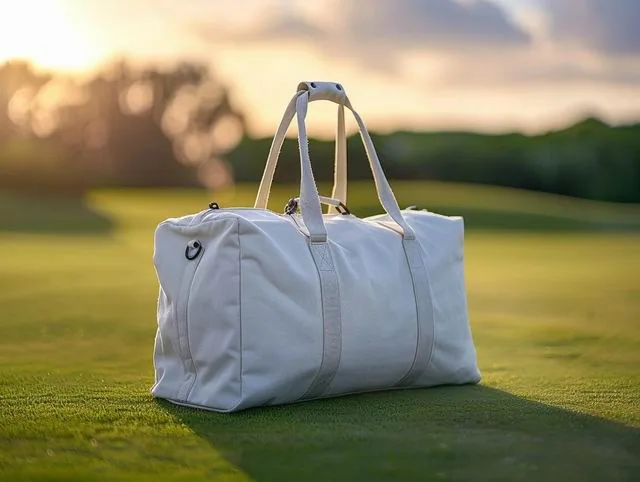
A pizza delivery bag is a hot bag, and its job is the opposite of a cooler: hold a load above about 60 °C for the length of a drop while managing the steam that would otherwise soften the base of the box. The working build is 6-8 mm closed-cell foam, a liner that tolerates grease and wiping, and internal dimensions derived from the box plus a working gap, not from the pizza diameter.
The pizza name comes from the load and the specification has to come from the box. A 12-inch pizza arrives in a box about 330 mm square and an 18-inch one in a box about 470 mm square, and the bag has to take the box, not the pizza. That single distinction decides the dimensions, the stack height, the vehicle fit and the cube, and it is the one most often got wrong. This piece sets out the geometry, the hot-hold requirement and the steam problem that makes this format different from every other insulated bag.
Is the Bag Sized to the Pizza or to the Box?
To the box, and the gap between the two is larger than it sounds. A 12-inch pizza sits in a box with external dimensions of roughly 330 x 330 x 45 mm; a 14-inch one in about 380 mm square; an 18-inch one in about 470 mm square. The bag therefore has to be sized for the largest box in the range plus a working gap of 15 to 20 mm on each horizontal dimension, and for the stack height the operation actually carries.
Sizing to the pizza diameter produces a bag the box will not go into, and the failure is discovered on the first Friday night. Where a menu offers more than one size, either specify the bag for the largest box and accept the slack on the smaller ones, or run two bag sizes. The first is usual, because a bag that is slightly too large costs a little thermal performance and a bag that is slightly too small does not work at all.
| Named size | Box external dimensions, mm | Bag internal, single | Bag internal, two stacked | Loaded weight |
|---|---|---|---|---|
| 12 inch | 330 x 330 x 45 | 365 x 365 x 110 | 365 x 365 x 165 | 1.6 kg |
| 14 inch | 380 x 380 x 45 | 415 x 415 x 110 | 415 x 415 x 165 | 2.2 kg |
| 16 inch | 420 x 420 x 48 | 455 x 455 x 115 | 455 x 455 x 170 | 2.8 kg |
| 18 inch | 470 x 470 x 50 | 505 x 505 x 120 | 505 x 505 x 175 | 3.5 kg |
| Multi-drop, two 12 inch | 330 x 330 x 45 each | 365 x 365 x 165 | 365 x 365 x 220 | 3.2 kg |
How Long Does a Hot Bag Have to Hold Temperature?
For the length of a drop plus the queue behind it, which in most operations is 20 to 40 minutes from oven to door. The temperature target is the one the food safety system sets, and 60 °C or above at handover is the usual figure; the oven leaves at 80 to 90 °C at the surface and the load falls quickly in the first ten minutes. A 6 mm bag with a sealed liner holds a single box above 60 °C for about 35 to 45 minutes at 20 °C ambient, and noticeably less at 5 °C ambient in winter.
The winter case is the one operators forget. A bag that holds 40 minutes in summer can hold 25 in a cold climate, because the temperature difference is larger and because the vehicle is colder. Test at the worst ambient the operation runs in, not at the comfortable one, and specify the foam for that.
Why Is Steam the Hard Part of This Format?
Because a hot pizza produces a lot of it, and steam that cannot escape condenses on the inside of the liner and softens the base of the box. The customer complaint is never "it was cold", it is "the base was soggy", and it is a condensation problem rather than a temperature problem. A bag that holds temperature perfectly and traps steam produces a worse result than one that runs five degrees cooler and breathes.
The answers are a vapour-managing liner rather than a sealed film, a vent placed high so steam escapes without dumping the heat, and a pack-out that keeps the box off the floor of the bag on a rack or a corrugated insert. All three cost little; none appears on a generic insulated bag; and together they are the difference between a bag that works and a bag that gets complained about.
What Does Grease and Wiping Do to the Specification?
It decides the liner. A pizza bag meets grease, cheese, sauce and a wipe-down with a sanitiser several times a shift, and a film that crazes under that regime fails in weeks. A welded PEVA liner at 0.15 mm is adequate at moderate temperatures; a TPU liner is the choice where the bag is washed hot, and it resists grease better. The seam should be welded rather than taped, because a tape edge is where grease collects and where the liner starts to lift.
The second grease decision is the interior colour. A white liner shows every mark and looks dirty after a week; a mid-tone or a dark liner hides it and looks professional for longer. That is a brand decision with an operational consequence, and it belongs in the specification rather than in a sample review.
A third sizing question is the height, and it is where most bags go wrong. The box needs headroom for a rack or an insert and for the closure flap, and a bag sized exactly to the box has neither. Twenty-five to thirty millimetres above the tallest stack is the working allowance, and it costs less in thermal terms than a closure that has to be forced shut on every drop.
How Many Boxes Should One Bag Carry?
Two, usually, and three where the operation runs multi-drop. The stack changes the specification in three ways: the internal height grows, the handles have to carry the extra weight, and the box nearest the top of the stack cools faster than the one at the bottom. Where two boxes are stacked, a rigid shelf or a corrugated divider between them stops the lower box being crushed and keeps both off the floor of the bag.
The handle specification follows the weight: 3.5 kg for a single 18-inch box, 7 kg for two. Twenty-five millimetres of webbing is the minimum for the single box and 38 mm for the pair, box-stitched and bar-tacked into a reinforced panel that reaches the base, with a pull test on a production unit. A pizza bag is carried by the handle, at speed, to a door, and that is the failure this format is judged on.
| Component | Pizza delivery specification | Why it differs from a chilled bag |
|---|---|---|
| Insulation | 6-8 mm closed-cell foam | Holding heat in rather than keeping heat out |
| Liner | Welded, grease-tolerant, vapour-managing | Grease and steam rather than meltwater |
| Vent | A high vent, or a breathable panel | Steam softening the box is the complaint |
| Interior | A rack or corrugated insert under the box | Keeps the load off the floor of the bag |
| Shelves | A divider where two boxes stack | Crushing and uneven cooling |
| Handles | 25 mm for one box, 38 mm for two, pull-tested | Carried at speed to a door |
| Closure | A wide flap or a zipper with a cycle rating | Opened dozens of times a shift |
A third operational question is the handover itself. The driver takes the bag out of the vehicle, walks to a door, opens it and lifts a hot box out, usually in the dark and often in rain. A mouth that opens fully and stays open on its own, a lid that does not fall back, and an interior from which the box can be lifted rather than dug out are all worth more than a degree of extra insulation, and all three are decided on the drawing. Where the operation can be observed before the drawing is fixed, observe it, because the drawing will otherwise be made from an assumption about how the handover works.
A fourth is the marking. A pizza fleet runs identical bags and the store needs to know which bag went out with which driver, and often which bag is due for cleaning. A printed or labelled panel for fleet numbering turns an anonymous bag into a managed asset, and it costs a print position on the drawing.
A sixth operational question is the cleaning cycle at store level. A pizza bag is wiped between shifts and deep-cleaned on a cycle, and the sanitiser and the temperature have to be named, because a solvent or a hot wash crazes a film and voids the food-contact position at the same time. Where the store washes hot, specify TPU and say so on the care label, because a care instruction that contradicts the cleaning regime is the reason a compliant bag fails a hygiene review.
A fifth operational question is what happens between drops. A driver waiting in a vehicle with the engine off loses more heat than the route calculation allows for, and a bag that is returned to a heated store between runs behaves differently from one that lives in the boot. Where the operation holds bags in a warm store between drops, the thermal requirement is easier; where they live in the vehicle, it is harder, and the specification should say which.
How Should the Bag Fit the Vehicle and the Empty Return?
A pizza bag is rigid-ish and it lives in a vehicle with other bags, so its external footprint decides how many fit on a shelf. Square footprints pack better than tapered ones and a 20 mm reduction in width can add a column in a hatchback or on a scooter rack. Where the operation runs scooters, the bag has to fit the top box, and that dimension is a hard constraint that has to be known before the drawing is made.
Empty, the bag is stored flat or nested. A collapsible build is worth the hinge cost where the bags come back to the store and are stored in quantity; a rigid build lasts longer and is simpler. Where the fleet is large and the storage is tight, collapsible wins; where the fleet is small and the bags are handled hard, rigid wins.
Specifying a hot delivery bag
- Size to the box plus a working gap, not to the pizza diameter.
- Test at the worst ambient, which for hot food is usually the winter one.
- Manage the steam: a vent, a breathable liner and a rack under the box.
- Specify the liner for grease and wiping, and the seam as welded rather than taped.
- Specify the handles for the loaded weight and pull-test them.
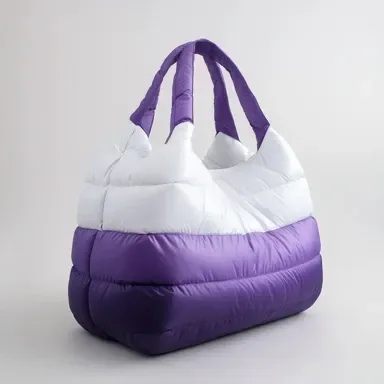
There is a fifth design point that operators ask for after the first month: somewhere to put the receipt, the dips and the drinks. External pockets are the usual answer and they are the right one, because anything inside the cavity either steams or is in the way of the box. Two flat external pockets, one for documents and one for small items, cost little and remove the reason drivers leave things loose in the vehicle, where they are forgotten at the door.
A sixth design point is the base of the cavity. A hot box sitting directly on a welded film floor transfers grease into the seam and makes the floor the first place the liner fails. A removable rack, a corrugated insert or a moulded tray lifts the box clear, spreads the load and gives the grease somewhere to go that is not a seam; it is the single component that most extends the life of this bag.
What Does the Food Safety File Require?
The bag is a control point in the operator system — ISO 22000, or a HACCP-based system built on the same principles — and that means a temperature target at handover, a cleaning frequency, a monitoring record and a corrective action. The bag does not have to be certified; it has to be capable of meeting the control and the operator has to be able to show that it does.
The materials side is the usual file: a food-contact declaration for the liner under EU 1935/2004 with EU 10/2011 data, or an FDA 21 CFR 177 citation in the United States, plus a REACH declaration and a Proposition 65 position. Where the bag is washed at temperature, the liner has to be rated for it, and the cleaning agent has to be named in the care instruction.
Where Do the Programme Numbers Sit?
MOQ 500 pcs per style and colourway, sampling 6-10 working days from a signed-off tech pack, bulk production 35-50 days from sample approval, inspection at AQL 2.5 under ISO 2859-1 General Inspection Level II, T/T 30/70, FOB Xiamen. A pizza bag with a moulded or corrugated insert, a tooled vent or a rigid shelf is a complex build and moves sampling toward the 12-15 working day end.
Pizza fleets are the hardest-working insulated bags in the market and they are replaced in tranches, so the reorder addendum matters: a retained reference sample, recorded weld parameters, and written notice before any material substitution. Without those, the bag that arrives next year is a different bag, and the difference shows up as a complaint rather than as a defect count.
Size the bag to the box
Send the box dimensions, the stack, the ambient and the quantity. You get a build recommendation within one business day.
Frequently Asked Questions
What size insulated bag fits a 12-inch pizza?
The 12-inch box, which is about 330 mm square, plus a working gap: roughly 365 x 365 mm internal. Size to the box, not to the pizza diameter.
How long does a pizza delivery bag keep food hot?
About 35 to 45 minutes above 60 °C for a single box in a 6 mm bag at 20 °C ambient, and less in a cold ambient, which is the case to test.
Why does the pizza base go soggy?
Steam condensing inside a sealed liner. Manage it with a high vent, a vapour-managing liner and a rack that keeps the box off the floor of the bag.
Should a pizza bag be vented?
Yes, with a vent placed high so steam escapes without dumping heat. A sealed bag holds temperature and produces a soggy base.
Can one bag carry two pizza boxes?
Yes, with a rigid shelf or a corrugated divider between them and handles specified for the doubled weight.
Which liner suits a pizza bag?
A welded, grease-tolerant film: PEVA at moderate temperatures and TPU where the bag is washed hot. Welded seams rather than taped, because grease collects at a tape edge.
What handle specification is needed?
Twenty-five millimetres of webbing for a single box and 38 mm for two, box-stitched and bar-tacked into a reinforced panel reaching the base, with a pull test.
Should the bag be collapsible?
Where bags return to the store and are stored in quantity, yes. Where the fleet is small and the bags are handled hard, a rigid build lasts longer.
What food safety documents apply?
The bag is a control point under ISO 22000 or a HACCP-based system, with a liner declaration under EU 1935/2004 or FDA 21 CFR 177, plus a REACH declaration.
What is the MOQ?
500 pcs per style and colourway, with repeat tranches open to discussion at 300 pcs.
How long does sampling take?
6-10 working days, moving toward 12-15 where an insert, a shelf or a vent is tooled or sourced.
Does the winter ambient matter for a hot bag?
Yes, and it is the case operators forget. A bag holding 40 minutes in summer can hold 25 in a cold climate.
What inspection applies?
AQL 2.5 for major defects to ISO 2859-1 at General Inspection Level II, with a leaking liner or a detached handle counted as major.
How do I keep the reorder consistent?
Hold a reference sample, record the weld parameters, and require written notice before any material substitution.
People Also Ask
What size pizza delivery bag do I need?
Size to the box: about 365 mm internal for a 12-inch box, 505 mm for an 18-inch one.
How long do pizza bags keep food hot?
Thirty-five to forty-five minutes above 60 °C for a single box in a 6 mm bag at 20 °C ambient.
Why does pizza go soggy in a delivery bag?
Steam condensing in a sealed liner. Vent it, use a vapour-managing liner and put the box on a rack.
Can a pizza bag hold two boxes?
Yes, with a rigid shelf between them and handles specified for the doubled weight.
What is the MOQ for pizza delivery bags?
500 pcs per style and colourway, with repeat tranches open to discussion at 300 pcs.
Sources and further reading
Every figure on this page is either our own programme data or attributed below. Open the originals before you write them into a specification.
- ISO 22000 — Food safety management systemsInternational Organization for Standardization
- ISO 2859-1:1999 Sampling procedures for inspection by attributesInternational Organization for Standardization
- FDA Food Code — food safety in retail and food serviceUS Food and Drug Administration