When Do You Approve a Production Sample for a Bag Order?
Approve after five checks: the sample matches the sealed reference, the critical dimensions measure correctly, the branding matches the approved artwork, the construction is the one specified, and the market documents exist. Then approve in writing, naming the sample, the date, any conditions and the revision.
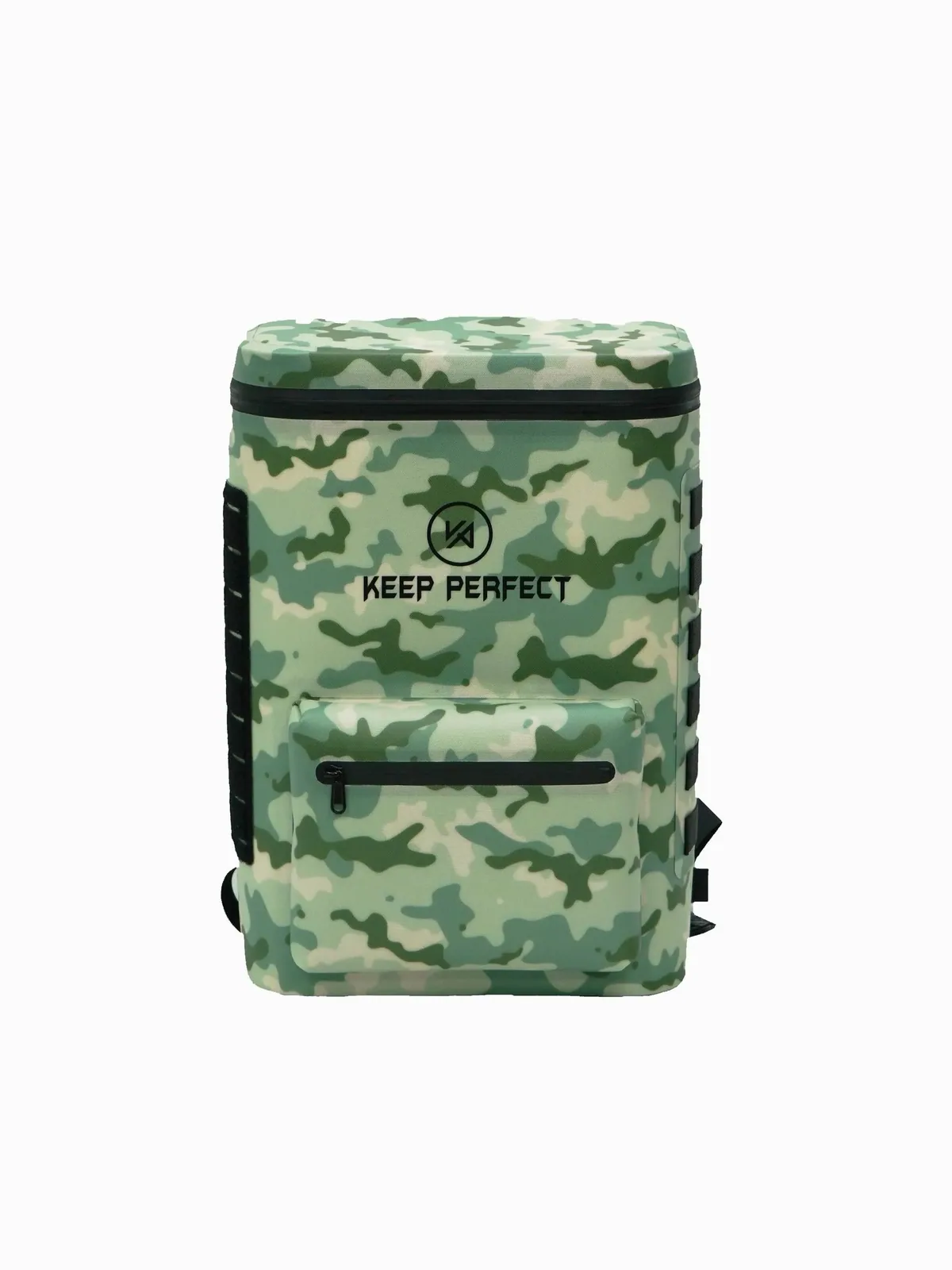
A production sample is the last checkpoint before an order is closed, and approving it is a decision about a run rather than about a sample. Five checks come first: does it match the sealed reference, do the critical dimensions measure correctly, does the branding match the approved artwork, is the construction the one that was specified, and do the documents for the market exist. Then approve in writing, naming the sample, the date and any conditions.
Approval is the most consequential signature in a bag programme and the one given most casually. It starts a window, it fixes a reference, and it converts a set of expectations into an accepted article. And it is usually given by a person looking at one bag on a desk, with no reference beside them and no measurements taken. This piece sets out what a production sample is, the five checks that come before the decision, and what the approval actually triggers.
What Is a Production Sample, and How Is It Different From an Approval Sample?
An approval sample is built to prove that the specification can be made; a production sample is taken from the run, or built alongside it on the same materials and settings, to prove that the run matches. The first is a promise about a process and the second is evidence about output. Confusing them is common and expensive, because approving the first does not tell the buyer anything about the second.
| Artefact | Built when | What it proves | What a pass means |
|---|---|---|---|
| Proto or development sample | Before the specification is settled | That the construction is possible | A design decision, nothing more |
| Approval or sales sample | After the tech pack is signed off | That the agreed specification can be built | The specification is buildable |
| Production sample | During or at the start of the bulk run | That the run matches the approved reference | The run is proceeding correctly |
| Shipment sample or retained sample | Held from the shipped goods | What was actually shipped | The evidence for a later claim |
Why Does the Approval Matter More Than the Sample Itself?
Because approval is the event, and the sample is only the evidence for it. What starts the next stage is the written approval, not the physical bag. A production sample that arrives and is never approved in writing leaves the programme in a state where the run continues but the buyer has not accepted anything, and that ambiguity is what turns a later disagreement into a dispute.
There is also a timing asymmetry worth understanding. The sample is a snapshot of a process that is still running, and its value decays: a sample approved three weeks after it was pulled says less about the current state of the run than a sample approved the day it arrived. Speed of decision is part of the quality of the decision, which is why the approval owner should be named before the sample is sent.
What Are the Five Checks Before Saying Yes?
Five, and they take twenty minutes with the right things to hand. Put the sample beside the sealed reference and compare them. Measure the critical dimensions against the drawing. Check the branding against the approved artwork, including position and colour. Check the construction: seam type, weld, stitch density, hardware. And check that the documents for the market exist and match the material actually used.
- Reference match
- The sample beside the sealed reference, compared panel by panel
- Critical dimensions
- Measured against the drawing, with the dimension method stated
- Branding
- Position, size and colour against the approved artwork
- Construction
- Seam type, weld, stitch density and hardware against the specification
- Documents
- The declarations or reports for the market, matching the material used
Who Approves, and What Does an Approval Actually Say?
One named person, and the name should have been recorded in the confirmation. The approval itself needs four elements: what is being approved, the date, any conditions attached, and the revision it was approved against. "Approved" in a one-word reply is an approval with three of the four missing, and the missing three are the ones that matter when a question arises later.
Where the buyer side is a team, the approval owner also owns the internal consultation. That sounds administrative and it is the difference between a one-day approval and a nine-day one. A sample that waits for three people to agree, none of whom knows they are the decision-maker, adds nothing to the quality of the decision and costs days of a 35-50 day window.
What Does Written Approval Trigger?
The bulk window, and on this programme that is 35-50 days from written sample approval. The word written is doing the work: an approval given on a call, in a passing message, or by silence is not a trigger, and a desk waiting for one will not start cutting. Where the sample has been approved and the run has already begun, the approval instead confirms the run and sets the reference for the final inspection.
There is a second thing it triggers that is less often stated: it closes the specification. Once a sample is approved against a revision, a later change to the specification is a change order rather than a correction. That is the right outcome and it is worth knowing, because it explains why a change requested after approval is priced when the same change requested during sampling was free.
What If the Production Sample Differs From the Approved Reference?
Decide whether the difference is a deviation or a defect, because the two get different treatments. A deviation is a difference from the drawing that both parties can see and accept: a shade within the agreed band, a dimension within tolerance. A defect is a departure from the class list: a broken stitch, a misaligned panel, a hardware failure. Deviations get recorded; defects get remediated.
| Difference | Deviation or defect | What to do |
|---|---|---|
| Shade within the agreed band | Deviation | Record it, and note it for the reorder standard |
| Dimension within the stated tolerance | Deviation | Record the measured value |
| Shade outside the agreed band | Defect | Stop, and decide whether the run can be corrected |
| Stitch density below the specification | Defect | Stop the affected operation and re-work |
| Hardware that does not match the specified gauge | Defect | Stop, because the load path is affected |
| Branding position outside the stated tolerance | Defect | Decide whether it is cosmetic or functional |
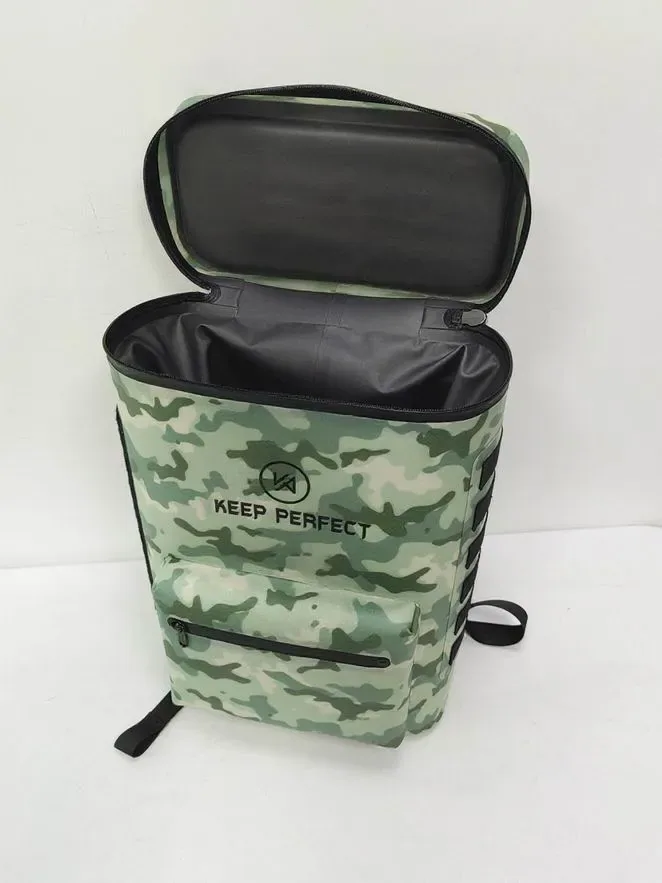
Can Approval Be Conditional?
Yes, and conditional approval is frequently the right answer. "Approved subject to the stitch density being corrected on all units, evidenced by an inline check" is an approval that lets the run continue and keeps a defect from shipping. The conditions have to be specific, checkable and dated, because a vague condition is not a condition — it is a note-to-self that nobody will enforce.
The risk of conditional approval is that it becomes unconditional by default. Where a buyer approves subject to a correction and then nobody verifies the correction, the goods ship with the defect and the condition turns out to have been decorative. The safeguard is to put the verification into the inspection plan, so the condition is checked by the inspection rather than by the buyer memory.
What Happens if Nobody Approves?
The run continues, because a line cannot stop for an unanswered email, and the buyer loses the leverage that approval provides. This is the quiet failure mode of the sampling stage: not a rejected sample, but an unapproved one. The goods are built, the completion date approaches, and the buyer discovers at the inspection stage that the only point at which they could have influenced the build has passed.
The fix is procedural and it belongs in the confirmation: a stated period within which the buyer will approve or give written reasons, and a stated consequence if that period lapses. A period and a consequence convert an open-ended situation into a decision that either happens or has a defined result, and both are better than silence.
Getting approval right
- Approve against the sealed reference, with a tape measure and the artwork proof to hand.
- Name one approval owner before the sample is sent, not after it arrives.
- Record four things: what was approved, the date, any conditions, and the revision.
- Separate deviations, which are recorded, from defects, which are remediated.
- Put the verification of any condition into the inspection plan rather than into memory.
What Should the Production Sample Be Compared Against?
The sealed reference first, and the drawing second, and the order matters. Where the two disagree, the reference is what the run was built to and the drawing is what somebody wrote down. A buyer who checks the sample against the drawing will find discrepancies that are not defects, and a buyer who checks it against the reference will find the ones that are. Where a real discrepancy exists between the two, correct the drawing before the reorder rather than rejecting the sample.
The second comparison is against the artwork proof, and it deserves its own step because it is the field most often checked visually and least often measured. Position, size, colour reference and orientation all have tolerances in a well-built specification, and a logo that reads correctly to the eye can still be outside a stated position tolerance. Measure it, because a branding discrepancy is a retail problem rather than a factory problem.
How Do You Handle a Sample That Arrives Late?
Record the delay, and then decide on the sample on the day it arrives rather than deferring the decision. A late sample does not extend the window; the window is 35-50 days from written approval, and approval given late pushes the completion date by the same amount. The temptation is to approve quickly to recover the time, which is the wrong trade: an approval given without the five checks moves the problem into the run.
Where the sample is late because of a courier or a customs hold rather than because of production, say so in the record, because the distinction matters for the next order. A customs hold on a sample parcel is usually a declaration problem, and it is solved by declaring the parcel as a prototype with no commercial value and a stated modest figure. That is a one-line fix that prevents a recurring two-day delay.
What Does Approval Mean for the Inspection Plan?
It sets the reference the inspector works from, and it should be named in the booking. An inspector arriving without the sealed reference and the measurement record will judge the run against the drawing, and the two can disagree. Supplying the reference, or photographs of it with measurements, is the single thing that most improves the reliability of a final inspection on a bespoke build.
Approval also sets what happens on a fail, because the class list and the acceptance standard are fixed at that point. Where the approval was conditional, the condition has to be in the inspection plan, so the inspector checks it rather than the buyer remembering it. That is the difference between a condition that is enforced and one that turns out to have been decorative.
How Does Approval Work on a Repeat Order?
Faster, and with a different question. On a documented repeat the buyer is not asking whether the specification can be built; that was answered the first time. The question is whether the run matches the reference held from the last one, which makes the sealed sample and its measurements the central artefact rather than the drawing. A repeat with no reference is a first order pretending to be a repeat.
That is also why the retained sample matters commercially. Where the pattern, the tooling and the reference all exist, a repeat can be discussed at 300 pcs rather than at the 500 pcs floor, because the fixed cost has been paid once and the acceptance standard is documented. The approval discipline on the first order is what buys that flexibility on the second.
Should the Buyer Visit, or Is a Sample Enough?
A sample is enough for most decisions, and a visit earns its cost at two moments: on the first order of a new construction, and when a run has already gone wrong. At those points, seeing the line, the material store and the inspection station answers questions a sample cannot, particularly about whether the process is capable of repeating what the sample achieved. On a documented repeat, the visit rarely adds information the reference and the report do not already carry.
Where a visit is not practical, the substitute is a short recorded walk-through at the inline inspection milestone, showing the checks being done and the defect board. That is more informative than a photograph of finished goods, because it shows the process rather than the output. Ask for it once per programme rather than every week, and the burden stays proportionate to the value.
What Should Be Kept After Approval?
The sample, sealed and labelled; the measurements taken on the day; the photographs; the approval in writing with its conditions; and the revision it was approved against. Five items, and they are what the final inspection compares the run to, what the reorder is built from, and what any later claim rests on. A sample that is approved and then thrown away has been a wasted exercise.
One further item belongs with the five, and it is the one most often left out: a note of what the approval does not cover. A production sample proves the run at the point it was taken. It does not prove the remainder of the run, which is what the inline inspection and the final random inspection are for, and an approval that silently implies otherwise creates an expectation the inspection will have to contradict.
Where the buyer runs several styles, these records become the library that makes reordering fast. The reference sample and its measurements are the reason a second order can be discussed at 300 pcs rather than at 500, because the pattern, the tooling and the acceptance standard all exist. That is the practical value of keeping the artefacts rather than the memory.
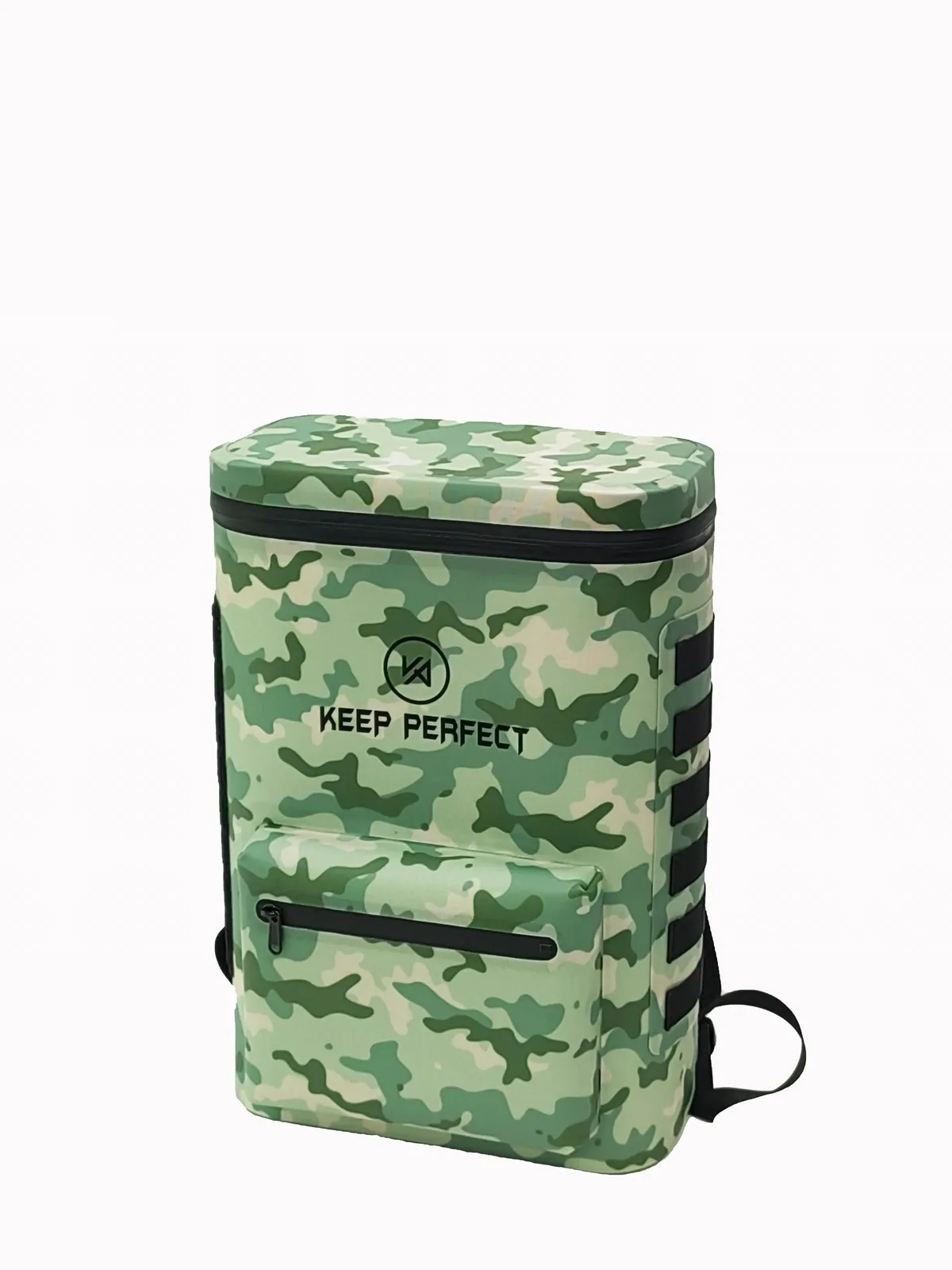
Approve against evidence, not memory
Send the style and the specification revision. You get a production sample with the sealed reference, the measurement record and the artwork proof, and a written approval that triggers the 35-50 day window.
Frequently Asked Questions
What is a production sample?
A unit taken from, or built alongside, the bulk run on the same materials and settings. It proves the run matches the approved reference, which an approval sample does not.
How is it different from an approval sample?
An approval sample proves the specification can be built. A production sample proves the run is being built correctly.
What checks come before approving?
Five: reference match, critical dimensions, branding against artwork, construction against specification, and the documents for the market.
What does approval trigger?
The bulk window, 35-50 days from written sample approval. It also closes the specification, so later changes become change orders.
Who should approve?
One named person, recorded in the confirmation before the sample is sent. A sample waiting on three people who do not know who decides adds days to the window.
What should a written approval say?
Four things: what is being approved, the date, any conditions, and the revision it was approved against.
Can approval be conditional?
Yes, and the conditions must be specific, checkable and dated, with the verification written into the inspection plan.
What is the difference between a deviation and a defect?
A deviation is a difference from the drawing inside an agreed band or tolerance, and it is recorded. A defect is a departure from the class list, and it is remediated.
What happens if nobody approves?
The run continues and the buyer loses the leverage approval provides. A stated approval period and consequence in the confirmation prevents it.
What should be kept after approval?
The sealed sample, the measurements, the photographs, the written approval with conditions, and the revision it was approved against.
Why keep the sample at all?
It is what the final inspection compares the run to, what the reorder is built from, and what a later claim rests on.
Does approval affect the reorder quantity?
Yes. A documented style with a sealed reference and retained tooling is what makes a repeat at 300 pcs discussable rather than at the 500 pcs floor.
People Also Ask
What is a production sample on a bag order?
A unit from the bulk run, on the same materials and settings, proving the run matches the approved reference.
What should I check before approving?
Reference match, critical dimensions, branding against artwork, construction against specification, and the market documents.
What does sample approval trigger?
The 35-50 day bulk window, counted from written approval, and it closes the specification for later changes.
Can I approve with conditions?
Yes, provided the conditions are specific and checkable and the verification is written into the inspection plan.
Why should I keep the approved sample?
It is the reference for inspection, the basis of the reorder, and the evidence in any later claim.
Sources and further reading
Every figure on this page is either our own programme data or attributed below. Open the originals before you write them into a specification.
- ISO 2859-1:1999 — sampling procedures for inspection by attributesInternational Organization for Standardization
- ISO 9001 — quality management systemsInternational Organization for Standardization
- ICC — Incoterms 2020 rules and uniform customs practice for documentary creditsInternational Chamber of Commerce