How Do You Protect a Bag Design Before Sampling in China?
Protection is a sequence rather than a document: file the trade mark and the design in the market of sale and in the market of production before drawings leave, put confidentiality and tooling ownership in the contract, share only what the sample needs, and record the right with customs where the market offers it.
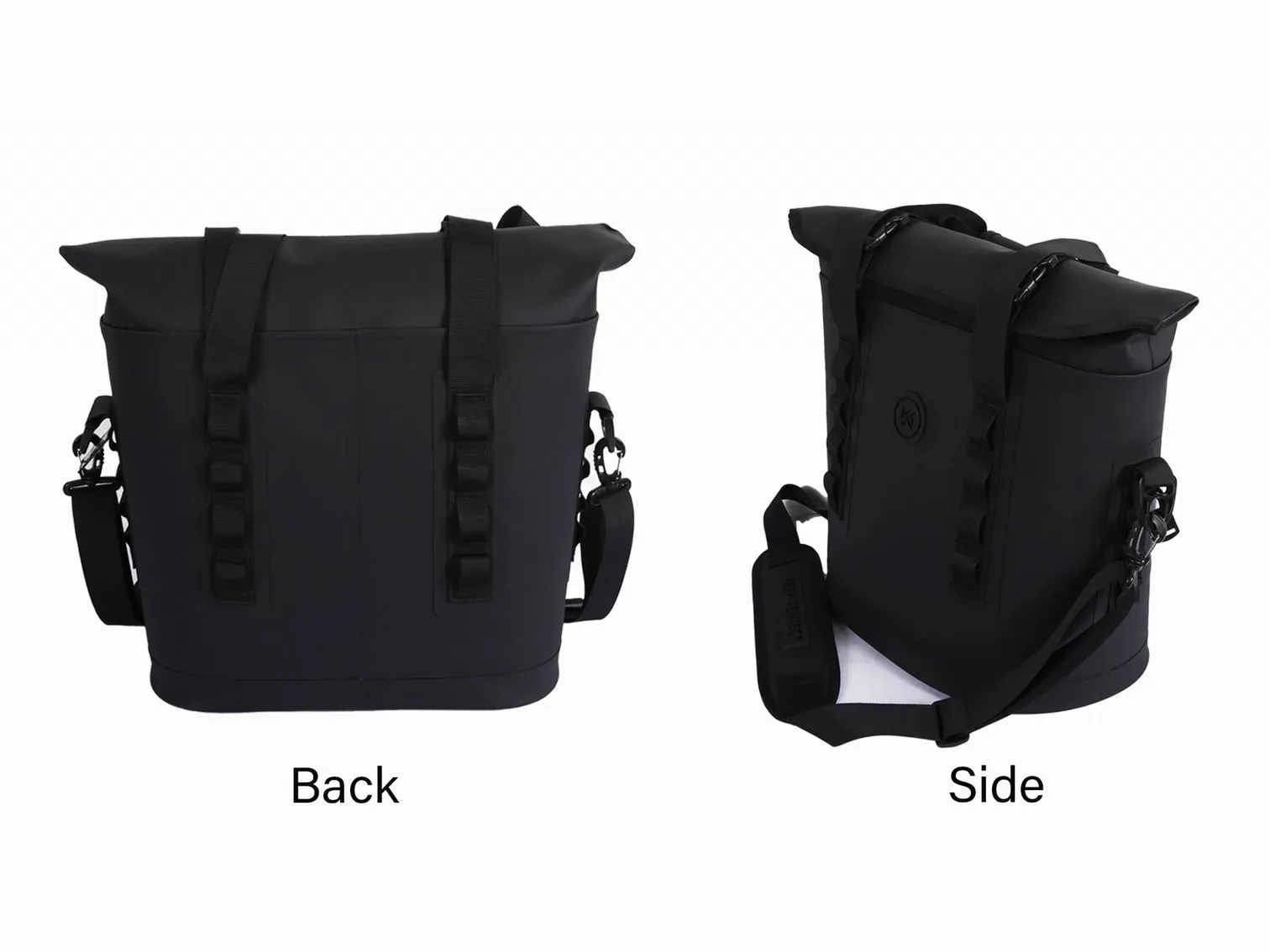
Protecting a bag design before sampling is a sequence, not a document: file the trade mark and the design right in the market of sale and in the market of production before drawings leave the building, put confidentiality and tooling ownership in the contract, share only what the sample needs, keep the reference sample and the tooling under the buyer control, and record the right with customs where the market offers it. A non-disclosure agreement alone protects very little.
The uncomfortable fact about design protection in this trade is that the document most buyers rely on is the one that does the least work. A non-disclosure agreement sets an expectation and gives a lawyer something to point at, but the practical protection comes from three other things: a registration that exists before the disclosure, a contract that says who owns the tooling, and a production arrangement that does not hand over the whole design at once.
The second uncomfortable fact is territorial, and it is the one that changes the sequence rather than the paperwork. Rights are national, and a filing in one jurisdiction does no work in another. A design registered in one jurisdiction protects in that jurisdiction and nowhere else, and a registration held in the market of sale does nothing in the market of production. A buyer selling in one country and producing in another needs to think about both, and about the order in which the filings happen relative to the moment the drawings go out.
What follows is a practical sequence, in the order a programme meets it, with the limits of each step stated. It is not legal advice and it does not replace it; it is the operational half of the problem, which is the half that is usually left to the last minute and cannot be fixed retrospectively.
What in a Bag Design Can Actually Be Protected?
Four things, and they are different rights. The appearance — the shape, the lines, the ornamentation — is a registered design right in most jurisdictions. The brand name and the logo are a trade mark. The artwork itself may carry copyright as a graphic work. And a genuinely novel technical feature — a closure mechanism, a structural solution — may be patentable, though most bag designs do not reach that bar.
| What is being protected | Right | Where it is registered | What it stops |
|---|---|---|---|
| The shape and appearance | A registered design | National or regional office, per market | A copy of the appearance |
| The name and the logo | A trade mark | National or regional office, per market | The same or a confusing mark on the same goods |
| The artwork | Copyright, and a trade mark where it functions as one | Arises in most places, registration helps evidence | Reproduction of the artwork |
| A technical feature | A patent | National or regional office | Use of the claimed feature |
| The material and process detail | Confidentiality, not a registered right | Contract | Disclosure by a party in confidence |
Why Does the Filing Have to Happen Before Disclosure?
Because most design systems require the design to be new at the date of filing, and disclosure can destroy that novelty. A design shown at a trade fair, published on a listing or sent to a production base without a filing behind it may already be unregistrable by the time the buyer decides to protect it. The order is therefore fixed: file, then disclose.
The practical version of this rule is unglamorous. File the trade mark and the design application in the market of sale and, where the production base sits, in that jurisdiction too, before the tech pack goes out. Filings in most jurisdictions are not expensive relative to a production programme, and the cost of getting the order wrong is that the right never exists.
What Does Filing in the Market of Production Buy?
It buys the ability to act where the copying would happen. A design right held only in the market of sale lets a buyer stop imports into that market and does nothing about a run made and sold elsewhere. A right held in the production jurisdiction can be used against the maker directly, which is frequently faster and involves less expense than chasing imports at the border.
China operates a first-to-file system for trade marks, which is the point buyers most often discover late: the party that files first may hold the right regardless of who used the mark first. A brand producing in China and selling elsewhere should consider a Chinese trade mark filing for its name and logo as a defensive measure, independently of whether it intends to sell there.
What Should the Contract Say?
- Confidentiality
- What is confidential, for how long, and what may be disclosed
- Tooling ownership
- Who owns a mould, a die, a screen or a pattern, in writing
- No third-party sale
- The article may not be sold to anyone else
- Design ownership
- The buyer design remains the buyer property
- Return or destruction
- What happens to tools and samples at the end
- Artwork licence
- The artwork is licensed for this order only
- Audit and inspection access
- The buyer or its agent may inspect
- Notification of a similar enquiry
- A duty to say if the design is offered elsewhere
- Jurisdiction and language
- Where a dispute is heard and in what language
- Remedy
- What happens if the clause is breached
The tooling clause is the one with the most practical force. A mould, a cutting die or a printing screen is the physical embodiment of a design, and whoever holds it can run the article again. Say in writing who owns it, require it to be marked as the buyer property where that is possible, and say what happens to it when the programme ends.
How Much of the Design Does the Tech Pack Have to Give Away?
Limiting exposure without breaking the brief
- Share the construction the sample needs, not the whole range plan.
- Keep the material sourcing split where a component is distinctive.
- Supply artwork at the size and method needed, not the master file.
- Hold a distinctive component with a second supplier where possible.
- Mark drawings with the owner, the date and the confidential status.
The first of those is the one that costs nothing. A tech pack for one style does not need to reveal the range. Buyers routinely send a full deck, a season plan and a roadmap to a party that only needs to make one article, and the deck is the asset that gets copied rather than the bag.
The third is worth a note because it is routinely got wrong in both directions. A vector file is required for good artwork, and a vector file is also the easiest thing in the world to reuse. Supply the file for the order, licence it for the order, and keep the master under the buyer control.
Does a Non-Disclosure Agreement Do Anything?
Some things, and less than buyers assume. It sets the expectation, it makes a later argument about confidentiality straightforward, and in some jurisdictions it supports a claim. It does not prevent copying, it does not create a registered right, and in a jurisdiction where the buyer has no presence and no filing, enforcing it is a project rather than a remedy. Treat it as one component of the sequence rather than as the sequence.
What works better than a document is the structure of the relationship. A programme where the buyer holds the tooling, the artwork master and the reference sample, and where the distinctive components come from more than one place, is harder to copy than one where a single party holds everything — regardless of what the paperwork says.
What Can Customs Do About It?
| Mechanism | What it requires | What it achieves |
|---|---|---|
| Recording the right with customs | A registered right in that jurisdiction | Customs can act on a suspected shipment |
| A recordation of the trade mark | A registered mark in that jurisdiction | Counterfeit goods can be seized at the border |
| An application for action | A right, plus information to identify the goods | A specific shipment can be held |
| A marketplace takedown | A right in the relevant market, and evidence | A listing can be removed |
| A direct approach to the maker | A right in the production jurisdiction | The run can sometimes be stopped at source |
The pattern worth noticing is that every mechanism in that table requires a registration. A buyer with an unregistered design has, in most jurisdictions, very little to point at, which is the practical argument for filing early rather than for hoping.
What Happens When a Copy Appears?
Three steps, in order. Establish the right and its territory — what is registered, where, and whether it covers the article. Establish the evidence — the reference sample, the dated drawings, the filing numbers, the contract clauses. Then choose the most economical effective mechanism, which is usually the marketplace or the maker rather than the courtroom.
The second step is where most buyers fail, because the evidence was never assembled. A dated tech pack at a revision number, a retained reference sample, a filing receipt and a signed contract with the tooling clause are four artefacts that turn a complaint into a case. Without them the buyer has a grievance.
How Does a Trade Mark Differ From a Design Right Here?
A trade mark protects the sign that identifies the source — the name, the logo, sometimes a distinctive shape that functions as a badge of origin — and it can last indefinitely if it is renewed and used. A design right protects the appearance and it runs for a fixed term. For a bag, the two answer different questions: the mark stops someone selling under the buyer name, and the design stops someone selling the buyer shape under any name.
Most programmes need both, and the order matters. The mark is usually filed first because it is the thing that appears on the article and because the brand name is decided before the design is finalised. The design application follows, and it has to be filed while the design is still new. A buyer who files the mark and delays the design has protected the name and left the shape open, which is the more common half-measure in this trade.
What Should a Buyer Do About Listings and Marketplaces?
Use them, because they are the fastest enforcement mechanism available. Most large marketplaces operate a takedown process for a registered right, and a takedown is quicker and less expensive than any formal step. What the process requires is the same evidence as everything else: a registration number, a jurisdiction, and proof that the listing is the buyer article rather than a similar one.
The second point is monitoring, which costs less than enforcement. A saved search, a periodic check of the category and an alert on the brand name will surface a copy in the week it appears rather than in the season after. A copy found early can sometimes be stopped at the production end; one found late can only be chased listing by listing.
What Does This Cost Relative to a Programme?
Filings are a small fraction of a first production order and they last. The sequence costs a few weeks at the front of a programme, mostly in the form of doing the filings before the drawings go out rather than after. Skipping it is not free: the cost is the possibility that the article cannot be protected at all, discovered at the moment protection is needed.
The second cost is worth naming plainly: delay. Filing before disclosure can push a sampling start back by a few weeks, and a buyer with a fixed season will feel that. The answer is to plan the filing into the calendar at the same time as the brief rather than to treat it as an obstacle that appears mid-project, and the development calendar from tech pack to bulk note shows where it sits in the sequence.
What Should a Buyer Do in the First Two Weeks?
Four things, in this order. List what is actually distinctive about the design and which of the four rights covers it. File the trade mark and the design application in the market of sale, and consider the production jurisdiction as well. Put confidentiality, tooling ownership and the no-third-party-sale clause into the contract before the tech pack goes out. And set up the evidence habit: dated drawings at a revision number, a retained reference sample, and a record of what was sent to whom.
The fifth is the one that protects the most and costs the least: say less. A brief that contains what the sample needs and nothing else is a smaller exposure than a full season deck, and it is also a better brief, because it is focused. Discipline in the document is discipline in the protection, and it costs nothing at all.
Send the brief with the design already filed
Send the specification and the quantity. You get a quotation, a sampling window and a production calendar within one business day, and the drawing stays yours.
Frequently Asked Questions
How do I protect a bag design before production?
File the trade mark and the design in the market of sale and consider the production jurisdiction too, before drawings go out; then contract on confidentiality and tooling ownership.
Is a non-disclosure agreement enough?
No. It sets an expectation and supports a later argument, but it does not create a registered right and enforcing it across jurisdictions is a project. Use it as one part of a sequence.
When should I file — before or after sharing drawings?
Before. Most design systems require novelty at the filing date, and disclosure can destroy it. File, then disclose, and record what was sent to whom and when.
Do I need to file in the country where the bags are made?
Yes, it is. A right in the production jurisdiction can be used against the maker directly, which is often faster than acting at the border of the market of sale.
Why does first-to-file matter?
In a first-to-file system the party that files first may hold the right regardless of who used the mark first. A brand producing in such a jurisdiction should file defensively.
Who should own the tooling?
Say so in the contract. A mould or a die is the design in physical form, and whoever holds it can run the article again.
Should I send the whole range plan with the brief?
No. Send what the sample needs. A full season deck is the asset most likely to be copied, and it is not required to make one article.
Can customs stop a copy?
Yes, where the right is registered and recorded in that jurisdiction. Every border mechanism requires a registration somewhere; an unregistered design has little to point at.
Should I monitor for copies after launch?
Yes. A saved search, a periodic category check and an alert on the brand name will surface a copy in the week it appears, when it can still be stopped at the production end.
What evidence should I keep?
A dated tech pack at a revision number, a retained reference sample, filing receipts, and a signed contract with the tooling and no-third-party-sale clauses.
Is this legal advice?
No. It is the operational sequence: file before disclosure, own the tooling, share less, keep the evidence. The filings themselves belong with a qualified practitioner in the relevant jurisdiction.
What is the MOQ while I wait for filings?
500 pcs per style and colourway, with repeat programmes open to discussion at 300 pcs. The filing should be planned into the calendar rather than allowed to delay the brief.
Should I register in one jurisdiction or several?
Rights are national. Register in the market of sale, and consider the production jurisdiction as well, because a right there can be used against the maker directly.
How long does sampling take once the brief goes out?
6-10 working days from a signed-off tech pack, 12-15 for a complex build. The filing is the step before that clock starts.
People Also Ask
How do I stop a factory copying my bag design?
File before you disclose, own the tooling in writing, share only what the sample needs, and hold the reference sample and the artwork master.
Do I need a design registration before sampling?
Yes, where novelty matters. Most design systems require the design to be new at the filing date, and disclosure before filing can destroy it.
Is an NDA enough to protect a bag design?
No. It sets expectations but creates no registered right. Combine it with filings, tooling ownership and controlled disclosure.
Can customs seize counterfeit bags?
Where the trade mark or design is registered and recorded in that jurisdiction, yes. Registration is the prerequisite.
Who owns the mould for my bag?
Whoever the contract says. State it in writing, and state what happens to the tool when the programme ends.
Sources and further reading
Every figure on this page is either our own programme data or attributed below. Open the originals before you write them into a specification.
- WIPO — intellectual property across bordersWorld Intellectual Property Organization
- CNIPA — intellectual property administration in ChinaChina National Intellectual Property Administration
- EUIPO — EU trade mark and design registrationEuropean Union Intellectual Property Office